Caviahue: Skiing the Slopes of a Volcano in Neuquen Province
Caviahue sits on the flanks of Copahue, an active stratovolcano on the Chilean border. The skiing is genuine, the snow is volcanic, and almost no one outside Argentina knows it exists.
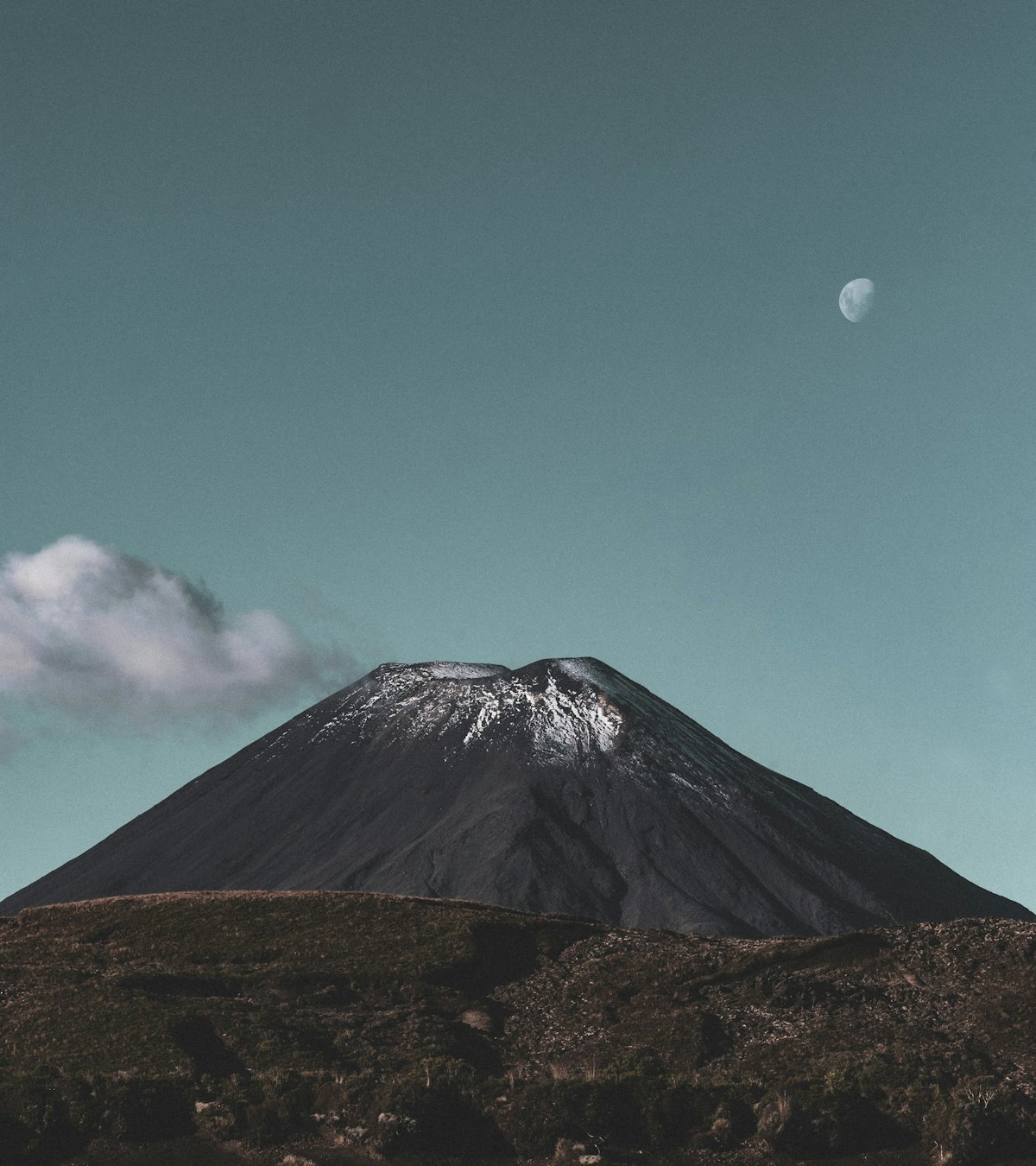
There is a small ski resort in northern Patagonia that sits inside the caldera of an active volcano. The hot springs at its base are heated by geothermal activity. The snow that falls on the upper slopes has a faint sulphurous quality that locals consider normal. The lifts run, when they run, with an Argentine approach to scheduling that rewards patience. It is one of the most unusual ski destinations in the world and almost no international visitor knows it exists.
Caviahue is not a resort in the polished sense. It is a place with real skiing, a genuine landscape, and enough rough edges to ensure that only people who actually want to be there make the journey.
The mountain
Caviahue ski resort sits on the lower slopes of Copahue, a stratovolcano that straddles the Argentina-Chile border and remains active. The resort itself is at around 1,800 metres at the base, with the highest lift reaching approximately 2,200 metres. The terrain is not large -- twelve lifts, around thirty runs, the equivalent of a medium-sized European day resort -- but it is varied, and the snow quality benefits from the altitude and the cold, dry air that comes off the Andes at this latitude.
The volcanic geology shapes the skiing in ways that are not obvious until you are on the mountain. The rock is darker than the granite you find at Catedral. The terrain is rounder, with broad bowls and relatively few of the sharp ridgelines that define the Bariloche mountains. Off-piste skiers who know the area describe the upper flanks as some of the better powder terrain in Neuquen Province, particularly after a fresh snowfall when the wind has not had time to work.
The town
Caviahue is a small village -- a few hundred permanent residents -- built along the edge of a lake of the same name. In winter it receives Argentine domestic visitors, primarily from Neuquen and Buenos Aires, who come for the skiing and the hot springs. International visitors are rare enough that arriving with a non-Argentine accent produces genuine curiosity.
The hot springs at Copahue, seven kilometres from the village, are the secondary draw. The water is geothermal and mineral-rich -- warm enough for bathing in mid-winter, visibly sulphurous, and reportedly effective for various skin and joint conditions that Argentines take seriously. Whether you believe the therapeutic claims or not, sitting in a hot spring while the surrounding landscape is covered in snow and the volcano smokes gently on the ridge above is an experience worth having for its own sake.
Getting there
From Bariloche: drive north on Route 40, approximately six hours. The road is mostly paved and straightforward in dry conditions; in snow or ice it requires care and ideally a vehicle with four-wheel drive. The drive itself is through classic Patagonian steppe -- flat, enormous, beautiful in a way that takes time to appreciate.
From Buenos Aires: fly to Neuquen city (around two hours), then drive approximately four hours northwest to Caviahue. There are also small charter flights to Copahue airport in season, though schedules and availability vary year to year.
The journey is part of the point. Caviahue does not reward last-minute planning. It rewards people who have decided they want to go somewhere unusual and have made the arrangements accordingly.
When to go
The season runs from late June to early September, with July and August being the most reliable months for snow. Snowfall at Caviahue is heavier than at Bariloche in most years -- the northern location and the volcano's elevation trap systems coming off the Pacific. A week with fresh snow in July produces conditions that the mountain handles better than its size suggests.
Early August is the local school holiday period and the resort runs at its busiest. If you prefer the mountain quiet, go in late June or the first weeks of July before the crowds arrive.
How it fits into a Patagonia ski trip
Caviahue works best as an add-on to a longer trip rather than the sole destination. The standard approach: spend the first week at Cerro Catedral in Bariloche for reliable infrastructure and a wide range of terrain, then drive north to Caviahue for three or four days of something completely different.
This combination -- a polished resort followed by a remote volcanic one -- gives you two very different versions of Patagonian skiing. The contrast is the point.
For skiers who want to explore beyond the main Bariloche circuit, we can incorporate Caviahue into a custom itinerary. It requires more logistical planning than a standard trip but the result is a ski week that most people will not have done before and most of your skiing friends will not have heard of.
The other underknown resort worth considering alongside Caviahue is Cerro Bayo at Villa La Angostura, which is small, excellent, and only ninety minutes from Bariloche -- a more accessible version of the off-the-beaten-track experience. Our destination comparison guide covers how to think about choosing between resorts, and the Buenos Aires to Bariloche guide covers the logistics of getting to the region in the first place.
If Caviahue sounds like the kind of place you want to ski, tell us when you are planning to go. We will help you work out whether the timing and logistics make sense for your trip.