Chocolate, Wine, and Apres-Ski: Bariloche's Best Non-Skiing Activities
Bariloche is Argentina's chocolate capital and a world-class food destination. Here's what to do when you're not on the slopes, from craft chocolate to Patagonian wine bars.
Bariloche is famous for skiing, but the town itself is one of the best places in Argentina to eat, drink, and explore when the lifts close. Often called the "Switzerland of South America," Bariloche sits on the shores of Lago Nahuel Huapi surrounded by forests, mountains, and a food scene that rivals Buenos Aires for quality if not quantity. After a day at Cerro Catedral, here's how we recommend spending your evenings and rest days.
Why Is Bariloche Famous for Chocolate?
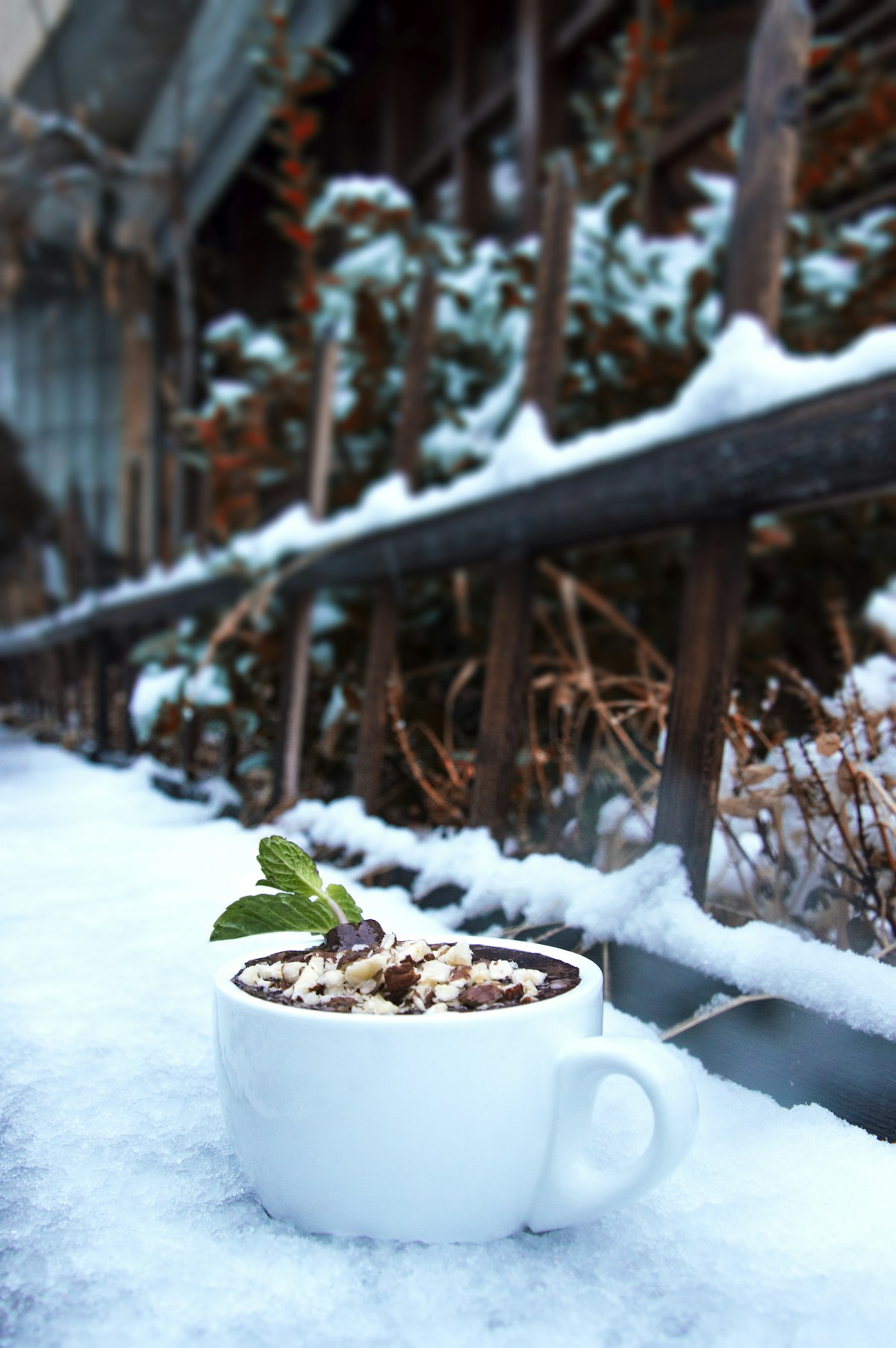
Bariloche is the chocolate capital of Argentina, home to over 30 chocolate shops along its main avenue, Calle Mitre. The tradition dates back to the early 20th century when Swiss and German immigrants brought European chocolate-making techniques to Patagonia. Today, artisan chocolatiers produce everything from hand-rolled truffles to drinking chocolate made with Patagonian berries. The big names are Rapa Nui, Mamushka, and Mamuschka (yes, there are two similarly named shops), but we recommend visiting the smaller producers like Del Turista and Benroth for more unique flavors. Budget $10-25 USD per person for a generous chocolate tasting. The hot chocolate at Rapa Nui's lakefront cafe is legendary, especially after a cold day on the mountain.
What Wines Should You Try in Patagonia?
Patagonia has emerged as one of Argentina's most exciting wine regions over the past decade. The vineyards around Neuquen and the Rio Negro valley produce outstanding Pinot Noir, Malbec, and Sauvignon Blanc at elevations and latitudes that give the wines a distinctive mineral character. In Bariloche, you won't find vineyards on your doorstep, but the town's wine bars stock excellent Patagonian bottles at reasonable prices. Familia Schroeder, Bodega del Fin del Mundo, and Humberto Canale are producers to look for. A good bottle of Patagonian Pinot Noir costs $15-30 USD at a restaurant, less than half what you'd pay for equivalent quality in the US or Europe. For a deeper dive into local food and drink, read our guide to eating and drinking in Bariloche.
Where Are the Best Apres-Ski Spots?
Bariloche's apres-ski scene is relaxed and warm, nothing like the thumping bass of European resort bars. The best spots cluster along Calle Mitre and the lakefront area. Cerveceria Blest is Bariloche's original craft brewery, serving house-made stouts and IPAs alongside Patagonian lamb dishes. Manush is a newer craft beer spot with a younger crowd and excellent pizza. For something more refined, Butterfly is a cocktail bar with lake views that does creative drinks using local botanicals. And if you just want to collapse into a leather armchair with a glass of Malbec, most of the lakefront hotels have cozy lobby bars with fireplaces. Apres-ski in Bariloche is about warmth, comfort, and conversation, and that suits the Patagonian vibe perfectly.
What Non-Skiing Activities Are Worth a Rest Day?
If the wind shuts down the mountain or your legs need a break, Bariloche has plenty to fill a rest day. The Circuito Chico is a 60 km scenic drive around the Llao Llao peninsula with stops at viewpoints, beaches, and the famous Llao Llao hotel. You can drive it yourself in a rental car or book a guided tour for around $40-50 USD. The Isla Victoria and Bosque de Arrayanes boat trip takes you across Lago Nahuel Huapi to a forest of rare cinnamon-barked arrayanes trees. The trip costs about $60-80 USD and takes half a day. For families, the Museo de la Patagonia in the Civic Center is small but well-done, covering the natural and cultural history of the region, and it's free.
Is Bariloche Good for Shopping?
Bariloche isn't a major shopping destination, but there are a few things worth picking up. Patagonian leather goods, especially belts and bags, are high quality and reasonably priced. Smoked meats and cheeses from local producers make great gifts, and you can vacuum-pack them at most shops for the flight home. The outdoor gear shops near the base of Catedral sometimes have good deals on end-of-season ski equipment, and Argentine ski brands like Spy are worth checking out. Calle Mitre is the main shopping street, and most shops are open from 10am to 8pm with a siesta break in the quieter months.
What About Dining Beyond Chocolate?
Bariloche's restaurant scene goes well beyond chocolate. Patagonian cuisine centers on three things: lamb, trout, and wild game. Asado de cordero (slow-roasted lamb) is the signature dish, and the best versions are cooked over open flame for hours until the meat falls apart. Try it at El Boliche de Alberto or Jauja. Lake trout, pulled fresh from Nahuel Huapi, appears on most restaurant menus prepared simply with lemon and herbs. For a splurge, Cassis on the lake does a tasting menu that showcases the best of Patagonian ingredients with European technique, expect to pay $60-80 USD per person with wine. For casual meals, the empanadas at La Fonda del Tio are some of the best in the region at $2-3 USD each. For more recommendations, see our Bariloche food guide.
Making the Most of Your Time Off the Slopes
The best ski trips to Patagonia aren't just about the skiing. Bariloche rewards the curious traveler who wanders into chocolate shops, lingers over a Patagonian Pinot Noir at sunset, and takes the scenic route around the lake on a rest day. We always tell our guests to plan at least one or two non-skiing days into their trip. You'll ski better when rested, and you'll come home with memories that go beyond the mountain. If you want help building an itinerary that balances skiing with the best of Bariloche's culture and food scene, we're here to help.