What It's Like to Be an Argentine Ski Instructor: A Career on the Mountain
How Argentine ski instructors get certified, what their season looks like, and why so many of them stay in the job for decades.
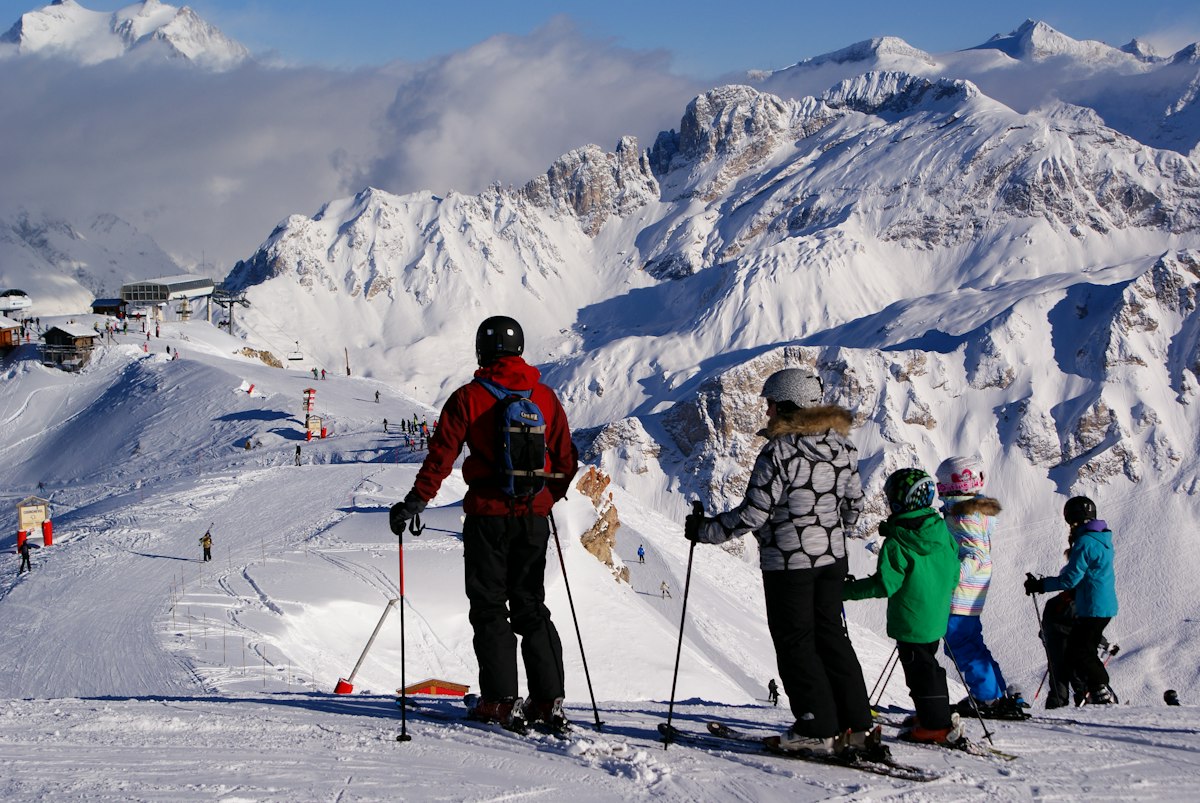
Most international skiers who come to Patagonia meet at least one Argentine ski instructor -- the person who clipped into their kids' skis at the magic carpet, or led their group warm-up run on day one. What's less obvious is how that person got there, what their season actually looks like, and why so many of them are doing it for the long haul rather than as a gap year.
We work with instructors across Cerro Catedral, Chapelco, and Cerro Bayo, and we get this question more than you'd expect: how does someone become an Argentine ski instructor, and what kind of life does it build? This is the inside view.
How You Become Certified in Argentina
The governing body is AADIDEES, the Argentine Association of Ski Instructors. It runs a three-level certification ladder modeled on the international ISIA system, which is the same scaffolding used in Europe, Japan, and most of South America.
Level 1 is the entry course: a candidate has to ski to a specified technical standard, pass a written exam on snow safety and teaching theory, and complete a multi-week on-snow course at one of the partner resorts. Most candidates take it during a pre-season block in May or early June. The course is intense -- full days on snow, evenings reviewing video, a final exam that fails a meaningful percentage of the room.
Level 2 adds bumps, variable snow, and more advanced teaching scenarios -- typically taken after at least one full season of paid work. Level 3 is the top of the domestic ladder and qualifies the instructor to teach advanced lessons, train other instructors, and supervise ski school operations. From there, the next step is ISIA registration, which makes the certificate internationally portable.
The Northern Hemisphere Loop
A huge slice of Argentine instructors work two winters a year. The Argentine season runs roughly mid-June to early October. As soon as it ends, many of them fly north and pick up a contract at a resort in the Rockies, the Alps, or Japan, where the season is just gearing up.
This is the open secret behind the deep technical level you'll often see at Cerro Catedral and Chapelco. An instructor in their fifth season has likely logged ten actual winters on snow. Twenty is not unusual by mid-career. The accents you hear at the bottom of the chair on a busy August morning -- Spanish, French, Japanese, German -- are often the same instructor cycling between hemispheres.
For some, the second season is about money: northern resorts pay more per hour, and the exchange rate moves the right direction. For others it's about the skiing. A working winter in Hakkaido or Chamonix is a free apprenticeship in conditions you don't get at home.
What a Patagonia Season Actually Looks Like
The Argentine ski season has a recognizable arc. Pre-season runs from mid-May to mid-June: certification refreshers, equipment check, ski school orientation, the first lifts spinning for staff training before the public arrives. Most ski schools require their teaching staff to take a re-qualifying clinic each year, even at higher levels.
Opening weekend is mid- to late June. Local schools are still in session, so the first two weeks are quiet -- mostly Argentine families on long weekends and a trickle of early international arrivals. July is the surge. Argentine winter holidays land in the second and third weeks, and almost every ski school is fully booked for those two weeks plus the bracketing weekends. Instructors who can teach in English get pulled into the international lesson queue, which runs longer hours and pays better.
August softens slightly, then climbs again in late August as the Brazilian and Chilean school holidays hit. September is technically high season for snow quality -- base depths peak, days are longer, light is better for photography -- but lesson volume drops off as families return home. Many ski school staff use late September for higher-level training, certification exams for next year, or guided trips into the backcountry. The lifts shut in early October.
What the Job Pays
We get asked this less than the others, but here's the rough shape of it. A Level 1 instructor in their first season at Cerro Catedral earns most of their income through ski school assignments, which are paid per lesson hour plus a small base. Tips from international clients are real and can rival the base pay in a strong week. Private lesson work -- booked through the school or directly -- pays meaningfully more per hour and is the main reason most instructors push for Level 2.
What surprises people is how much non-teaching income exists. Many instructors run their own clients off-season -- coaching trips to other resorts, summer ski camps in Chile, guiding work for travel agencies. Photography, video, and ski-test work are real side incomes for instructors with the skill.
The honest summary: a single-season instructor isn't getting rich. A multi-season instructor with international certifications, English fluency, and a private client book makes a comfortable living and works outdoors for ten months of the year.
The Path Frank's Team Often Recommends for Visitors
If you're coming to ski with us and want a higher-level technical lesson, ask for a Level 2 or 3 instructor with at least three seasons of international work. They cost slightly more per hour and they are worth the difference. Our off-piste experiences are staffed entirely with this profile, and our family trips match instructors to age and ability rather than just availability.
If you're traveling with kids and want a calm first day, ask for someone whose primary specialty is teaching beginners. Some of the best instructors in Bariloche have built their Whole career around four- to eight-year-olds. They are not bored. They are not waiting to get promoted to teach experts. This is the job.
What Most Visitors Don't See
The biggest gap between how the role looks from outside and how it actually works is community. Argentine ski instructors are a tight, loud, opinionated cohort. They eat together at the same handful of spots after the lifts close, they ski together on days off, they know who is sandbagging their certification and who is the real deal. When you ask your instructor for restaurant suggestions, they're pulling from a list that's been curated by twenty other instructors over a decade.
Many of them also have second careers braided in -- guiding, mountain rescue, snow patrol, ski shop ownership. The instructor who taught your eight-year-old to link turns might also be the one your guide called for an avalanche update that morning.
If you're curious about the broader mountain professional ecosystem, see our piece on Argentina mountain guide certifications -- it walks through the AAGM and IFMGA tracks that some instructors cross over into. And for a sense of what life looks like from the guiding side, A Life as a Ski Guide in Patagonia is a useful companion read.
Plan Your Trip
If you want to ski with the kind of instructor described above -- Level 2 or higher, multi-season, English-fluent, with private clients booked months in advance -- start the conversation early. The strongest instructors get blocked out by mid-March for the August school holiday weeks. Plan your trip and we will pair you with the right person for your group.