Ski Shop Etiquette in Argentina: A Practical Guide for International Visitors
How to use ski rental shops in Bariloche and across Argentina without making the mistakes that mark you as a clueless tourist -- timing, language, payment, returns, and what to bring.
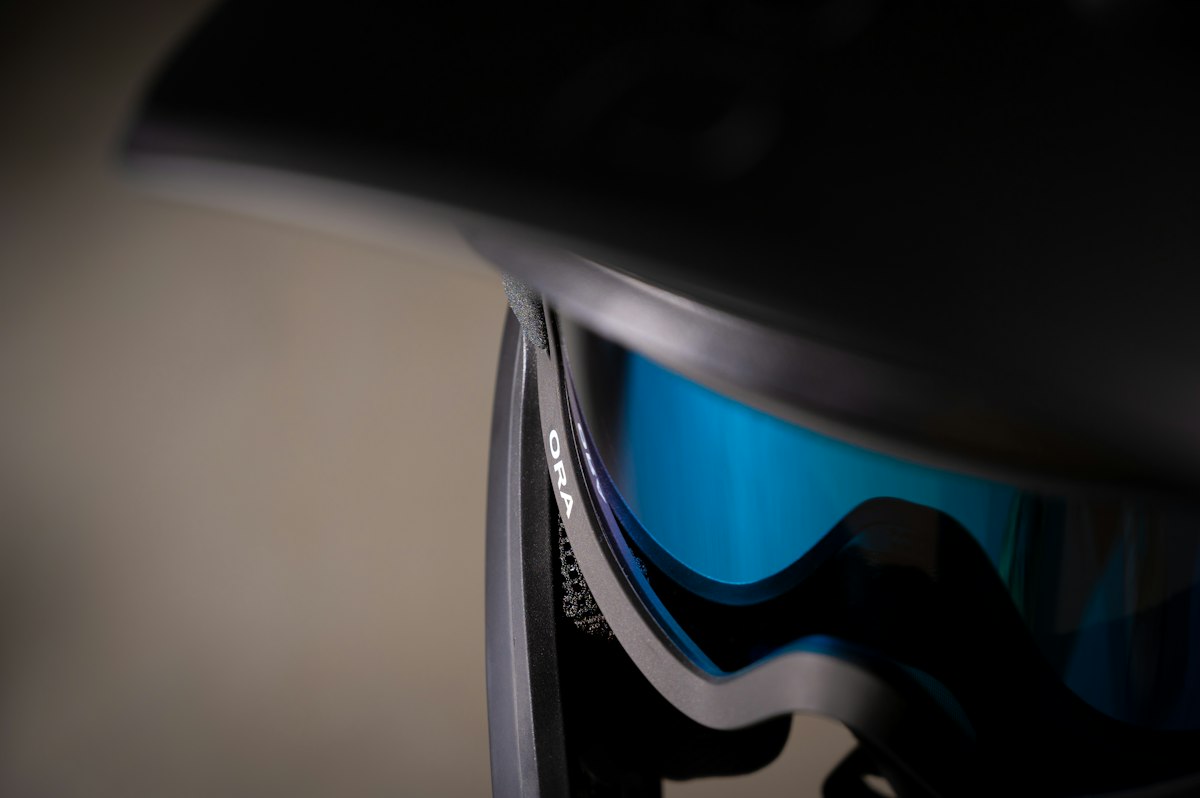
There is a moment, usually around 10 am on a Sunday in late June, when the line at a Bariloche ski rental shop wraps out the door and onto the sidewalk. The skiers in line have not failed at planning. They are simply doing what most international visitors do: showing up the morning of their first ski day, expecting a fitting, and being polite about waiting.
The locals you do not see in that line picked up their gear three days earlier. The Argentine ski shop world has a small set of unwritten rules. Following them keeps you out of long lines, gets you better-fitting gear, and earns you genuine warmth from people who deal with confused foreigners every day.
This post is for skiers who have rented gear in Vail or Zermatt and assume Argentine ski shops work the same way. Some things do. A few do not.
Get In Early or Get Cleaned Out
The single biggest mistake international visitors make: showing up to rent on the morning of their first ski day.
During peak weeks (mid-July school holidays, early August long weekend), the best-fitting boots and the higher-end skis are out the door by Friday afternoon for the following week. If you arrive Sunday morning and ask for a 27.5 boot in something modern, the answer is often "we have this one left, in a 28."
Better strategy: pick up your gear the afternoon before your first ski day, or the morning of an arrival day. Most shops will let you take the gear at the start of the rental period, not just the morning of skiing. Ask for a same-day fit appointment. The pace is calmer, the boot fitter is unhurried, and you walk out with your skis ready.
For a fuller take on whether to rent locally at all, see Should You Rent Skis in Argentina? (Honest Answer: No). Short version: rent locally for short trips, bring your own boots if you ski more than a week a year.
The Boot Fitting Process Is Different Here
Argentine ski shops take boot fitting seriously, but the process is less standardized than at a North American big-box shop. There is rarely a Brannock-style measuring device on a stand. The fitter will eyeball your foot, ask about your skiing level, hand you a boot, and watch you walk in it.
What to expect:
- Bring or wear thin ski socks. Thick wool socks ruin a fit.
- The fitter will press on the toe box and the shell to check fore-aft pressure. Stand in a skier flex while they do this.
- Be honest about your skiing level. Saying "I am advanced" when you are a strong intermediate gets you a stiff race-flex boot you will hate by lunch.
- Ask to walk around the shop in the boots for at least five minutes before signing. A boot that feels fine on the carpet for 30 seconds is a different boot at hour four on the mountain.
- If your toes go numb, say so. Argentine fitters are happy to swap shells. They will not be happy if you come back at end-of-day with frostbitten toes and demand a refund.
For advanced skiers, ask whether the shop has a boot fitter who works with thermal liners or grinds shells. The good shops in Bariloche do. The mountain-base rental kiosks usually do not. See Cerro Catedral: The Complete Guide for a sense of which kind of shop you are at depending on where you rent.
Speak Some Spanish, But Do Not Stress
Most ski shop staff in Bariloche, San Martin de los Andes and Ushuaia speak working English. The bigger shops have at least one fluent English speaker on staff. You can absolutely get a full ski package without speaking Spanish.
That said, a few phrases go a long way:
- "Hola, tengo una reserva a nombre de [your name]." -- Hello, I have a reservation under [name].
- "Botas talla 27, por favor." -- Boots size 27, please. (European sizing.)
- "Esquis intermedio, all-mountain." -- Intermediate skis, all-mountain.
- "Gracias, esta perfecto." -- Thanks, this is perfect.
- "Disculpa, las botas me lastiman aqui." -- Excuse me, the boots hurt me here.
Using these earns you noticeably better service than insisting on English from the first sentence. Argentine ski shops are run by people who love skiing and treat any guest who tries Spanish as a friend rather than a transaction.
Cash, Card and Tipping
Most rental shops in Bariloche accept credit cards. The official-rate exchange has been roughly fair for foreign cards since the 2024 reforms. Bringing US dollars in cash to negotiate the "blue" rate is no longer the obvious win it used to be -- most visitors get a similar effective rate just paying with a Visa or Mastercard. See Money in Argentina: A Practical Cash and Card Guide for the current state of this.
Tipping: unlike taxi drivers or restaurant servers, ski shop boot fitters and rental staff are generally not tipped in Argentina. They are paid a salary, not a commission. If a fitter spends 45 minutes solving a tricky boot problem, leaving 1,000-2,000 ARS in cash is a kind gesture but not expected. Do not feel obligated.
What is expected: a sincere thank you, eye contact, using the fitter's name when you can.
Returning Skis the Right Way
Return etiquette in Argentina is stricter than in the US. The shop will inspect bases, edges and bindings. Minor scratches from on-piste skiing are fine and built into the rental price. Core shots, broken edges or damaged bindings are not.
Reasonable rules to follow:
- Do not ride your skis through the parking lot to the shop. Carry them.
- Do not stack skis base-to-base in the rack outside the shop. Bases together saves space, but the shop will assume any new gouges happened on your watch.
- Return at the agreed time, even if you finished skiing early. The next renter has a fitting scheduled around your return.
- If something broke on the mountain, say so honestly. Most shops absorb normal wear-and-tear damage. They get unhappy when you try to hide it.
What to Bring With You
A short list of things that make ski shop visits go smoothly:
- Your passport (some shops want to scan it for the rental contract).
- A printed or screenshot reservation if you booked online.
- A pair of thin ski socks.
- A jacket and pants, so you can confirm boot height clearance.
- Your height, weight and ski level written down -- the form will ask for these in metric.
- Patience. The pace is slower than at a Vail Resorts kiosk. The trade-off is that the fitter is actually paying attention to you.
For a fuller gear list before you arrive, see What to Pack for a Ski Trip to Patagonia.
Where to Rent: Town vs Mountain
Town shops (in central Bariloche, San Martin de los Andes or Ushuaia) typically have better boot fitting, more inventory, and lower prices. The trade-off is you have to carry your gear to the mountain shuttle in the morning.
Mountain-base kiosks (at the Catedral base, for example) are convenient but more expensive and have shallower boot inventory. Use them as a same-day backup if your town rental does not work out, not as a first choice. For more on logistics getting from town to the mountain, see Getting from the Airport to Your Ski Resort in Argentina.
If you are skiing multiple resorts in one trip, rent in your base town and check the gear back in only at the end of the week. Most shops let you keep skis across resort changes for free.
Closing Note
Argentine ski shops are friendly places run by people who genuinely care about getting you on the right gear. The etiquette here is more about respect for their time and pace than about strict rules. Show up when you said you would, try a few words of Spanish, listen to the boot fitter rather than insisting you know your size, and you will get treated like a regular within two days.
If you want help arranging a trip where the rental, the shuttle, the lift tickets and the lessons are sorted before you arrive, our custom experiences team handles the whole package. Or plan your trip and we will start with a conversation.