Is a Short Ski Trip to Patagonia Worth It? Making the Most of 3 to 4 Ski Days
Is a short ski trip to Patagonia worth it? Here is how many ski days you need, how to schedule flights and how to protect a short trip from wind and weather.
A short ski trip to Patagonia is worth it if you can give it at least four ski days and fly in through Bariloche with no overnight stops on the ground. A three-day trip works for skiers coming from Buenos Aires or already in South America. For visitors flying from the US, UK or Australia, four to five days on snow is the practical minimum, because arrival and departure days eat into the schedule.
Quick Answer: Short ski trip to Patagonia
- Minimum worthwhile stay: 4 ski days (5-6 nights in Bariloche)
- Best base for a short trip: Bariloche, 20 km from Cerro Catedral
- Fastest route from Buenos Aires: about 2 hours 20 minutes by air to Bariloche (BRC)
- Realistic ski days from a 5-night stay: 3-4, allowing for a wind or snow day
- Season for a short trip: mid-July to late August for the most reliable snow
- Biggest risk: one lost day to wind or lift closures has a bigger effect on a short trip
How many ski days do you need for Patagonia to be worth the flight?
Four ski days is the lowest number we recommend for an international visitor. Cerro Catedral has 120+ marked runs across roughly 1,200 hectares, and two days is enough only to find your legs and learn the lift layout. By day three you start skiing the sectors you like, and by day four you can tackle the terrain that justified the trip.
Travel time is the hidden cost. From New York, Miami or London you typically land in Buenos Aires after 11-14 hours, then connect to Bariloche. From Sydney or Melbourne it is longer. If you arrive on a red-eye, your first day is usually spent recovering rather than skiing.
What can you realistically do in three days of skiing?
Three days gets you a solid introduction to one resort, not a full Patagonia experience. A sensible plan looks like this:
- Day 1: arrive early, rent gear at your hotel or the Catedral base, and ski the lower sectors to settle in.
- Day 2: ski the full mountain, including the upper lifts if the wind allows.
- Day 3: book a guide for half a day to reach terrain you would not find alone, then fly out in the evening.
This works best for intermediate and advanced skiers who do not need lessons. If anyone in your group is a beginner, add a day.
How should you schedule flights to protect your ski time?
Book arrivals that land in Bariloche before noon and departures that leave after 3 pm. A morning arrival gives you a half day on snow, and a late departure lets you ski a full last day. Buenos Aires to Bariloche flights run roughly 2 hours 20 minutes, and fares typically range from $80 to $250 USD round trip depending on the week.
Do not schedule a tight connection on your outbound international leg. A missed connection to Bariloche in a four-day trip removes a quarter of your skiing. If you can, overnight in Buenos Aires on the way out. Our guide to combining Buenos Aires and Bariloche explains how to do that without losing a ski day.
Is a short trip riskier because of Patagonian wind and weather?
Yes, because a single lost day is a much larger share of a short trip. Wind can close upper lifts at Cerro Catedral for several hours, and snowstorms occasionally close the access road or slow transfers. In a seven-day trip, one lost day is 14% of your time. In a four-day trip it is 25%.
Build one flexible day into any short itinerary and choose a base with other options for the day the lifts close. Our post on what to do when the lifts close on a wind day has indoor and outdoor backups, and reading the Andes forecast will help you decide which day to ski hard.
Which resort is best when you only have a few days?
Cerro Catedral is the best choice for a short trip because it is 20 km from Bariloche airport town, it has the widest terrain, and it has the most flexibility when conditions change. Resorts such as Cerro Chapelco or Cerro Bayo are excellent, but their transfers add time.
| Short trip (3-4 ski days) | Standard trip (7 ski days) | |
|---|---|---|
| Resorts | One (Cerro Catedral) | Two or three |
| Base | Bariloche only | Bariloche plus San Martin or Villa La Angostura |
| Guide days | 1 half or full day | 2-3 days |
| Flexibility if weather turns | Low | Moderate to high |
| Cost per ski day | Higher (flights spread over fewer days) | Lower |
If you want more than one mountain, you need more days. See how to plan a perfect 7-day itinerary for the longer version.
How do you get the most from a short trip with a guide?
Hire a guide for at least one day, because a short trip rewards local knowledge more than a long one. A guide knows which sectors are in the sun, where the wind has not scoured the snow, and how to avoid peak lift queues. Guided days typically run $250-$500 USD for a private half or full day, depending on group size.
Book the guide for your second or third ski day, once you are acclimatised and know how you ski. Our off-piste experiences and custom itineraries are built around exactly this kind of compact trip.
Frequently Asked Questions
Can you ski Patagonia in a long weekend? Only if you are already in Argentina. A true long weekend gives two ski days, which is enough for a taste of Cerro Catedral but not for a satisfying international trip.
What is the best length for a first trip to Patagonia? Seven nights with five or six ski days is our recommended first trip. It leaves room for a wind day, a guide day and a rest day without feeling rushed.
Should I rent gear for a short trip? Yes. Renting at the base saves baggage hassle and time, and our rental advice covers what to book in advance.
Is it better to ski Patagonia in July or August? Both work for a short trip. Late July and early August usually offer the deepest base, but they are also the busiest weeks, so book early.
This guide was written by the Ski Patagonia Co. team, based on many seasons of planning short and long trips from our base in Bariloche.
If you only have four or five days, tell us your dates and we will build the tightest, smoothest itinerary we can. Start at Plan My Trip.
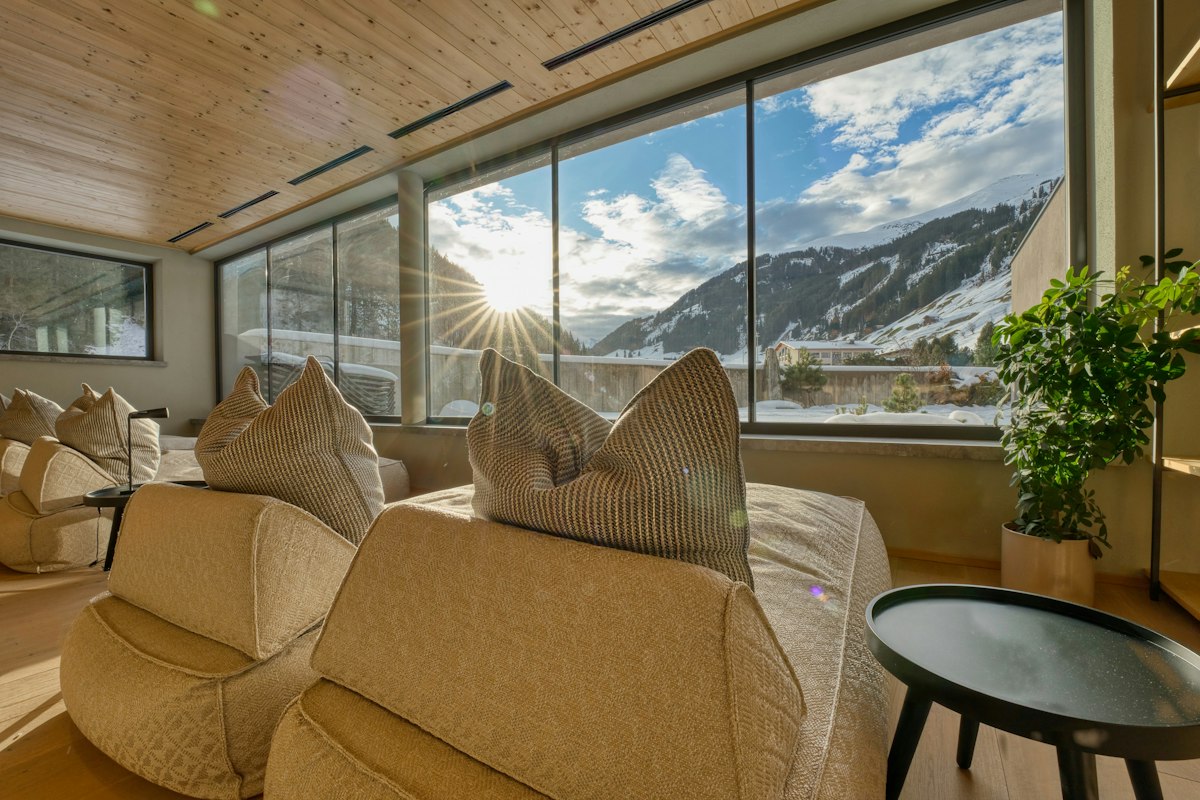
Hero photo by Dominik Neuner on Unsplash