10 Packing Mistakes That Ruin a Patagonia Ski Trip (And How to Avoid Them)
The packing problems we see on almost every international ski trip to Bariloche -- and the small swaps that fix them before you fly south.
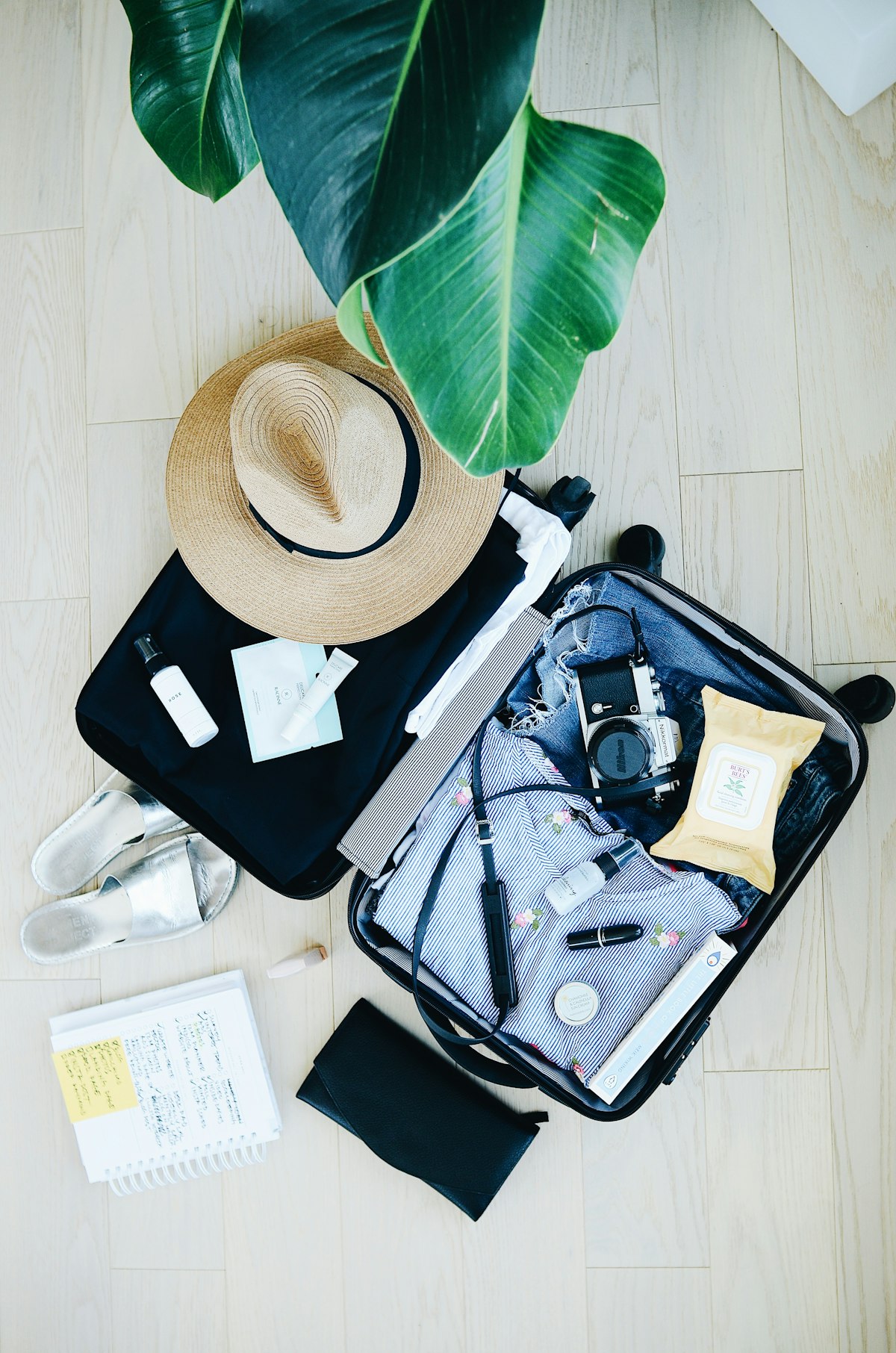
Every season we meet skiers at the Bariloche airport with the wrong gear in their bag. Not catastrophically wrong -- just slightly wrong in a way that costs them a half-day on the mountain, an evening of shopping, or a comfortable night of sleep. After a decade of guiding international skiers in Patagonia, we've catalogued the same ten mistakes over and over. Here they are, and here's what to do instead.
Mistake 1: Packing for the Alps temperature range
Most Europeans and North Americans pack for the temperatures they're used to at home -- which for the Alps or the Rockies in midwinter often means deep cold. Patagonia in July and August is colder than people expect on summit days, but warmer than expected in town and on lower-mountain runs. The fix is layering, not bulk. A midweight base layer, a light insulating mid-layer, and a shell with a removable puffy underneath will cover almost every day of the season. Leave the expedition-weight parka at home. If you want a full breakdown by week, our season week-by-week guide shows what to expect in each part of winter.
Mistake 2: Bringing brand-new ski boots
We see this every season. Someone buys new boots two weeks before the trip, the shop does a quick fit, and on day two of skiing in Catedral they have hot spots on both shin bones. New boots need at least five or six full ski days to break in. If your trip is the maiden voyage for new boots, your trip is the break-in. Either ski them at home for several days first, or bring your old, familiar pair and have a boot fitter look at them before you leave. A small problem at home is a ruined week here.
Mistake 3: Forgetting to pack a real beanie
The wind in Patagonia is famous for a reason. A thin fashion beanie that works in Aspen will not hold up against a 60 km/h gust on the Lopez face. Pack a proper merino or fleece beanie that covers your ears, and a buff or neck gaiter you can pull up to your eye line. On a windy day in Bariloche, your face is the part that suffers first.
Mistake 4: Underestimating sun exposure
Patagonia sits under a thinner part of the ozone layer than most northern-hemisphere skiers are used to. Even on overcast days at 1,800 meters, the UV index is higher than it looks. Pack a high-SPF zinc-based sunscreen, a lip balm with SPF, and good goggles with two lenses -- one for bright days and one for flat light. Sunglasses are not enough on a clear afternoon at the top of the gondola.
Mistake 5: Bringing only one pair of gloves
Gloves get wet. That is true at every resort in the world, but it's especially true in Patagonia because the snow at lower elevations is often warmer and heavier than skiers from Colorado or the Alps are used to. Bring two pairs -- one mid-weight and one warm -- and you'll always have a dry pair to start the day. We've had clients spend a full afternoon shopping for gloves in Bariloche when they could have packed a backup at home for half the price. For more on this, our full packing list for Patagonia goes into the specifics.
Mistake 6: Bringing your own skis when you don't need to
This is contrarian, but: most international visitors are better off renting skis here. We wrote a whole post on why -- the honest answer on renting skis in Argentina -- but the short version is that airline ski-bag fees, the risk of damage in transit, and the time spent dragging skis through three airports almost never beats renting locally from one of the trusted shops. Bring your boots. Rent the skis.
Mistake 7: Not packing real apres clothes
Bariloche has a proper apres-ski culture. Microbreweries, chocolate shops, asado restaurants, sauna and hot-bath spots -- people actually go out after skiing here. If you pack only ski clothes and one pair of jeans, you'll feel underdressed when you walk into one of the better restaurants in town. A pair of warm casual pants, a clean sweater, and proper waterproof town boots make the evenings here much better. For inspiration on what those evenings look like, see our Bariloche apres guide.
Mistake 8: Forgetting US dollars in small bills
Argentina runs on a complicated currency situation that we explain in our money and cash guide for skiers. The single most-useful packing item that isn't clothing is a thin envelope of clean, undamaged US dollar bills in twenties and fifties. Many smaller restaurants, taxi drivers, and family-run lodges still prefer cash, and you'll get a much better effective exchange rate than what your card offers. Bills must be unfolded, untorn, and ideally newer than 2013. Pack them flat in a book.
Mistake 9: Packing the wrong socks
Most skiers pack thick socks because that feels right. In well-fitted ski boots, thick socks actually cut circulation and make your feet colder. Bring two or three pairs of merino ski-specific socks -- thin enough to keep blood moving, tall enough to come above the boot top. One pair per day is overkill. Two pairs that you wash midweek is plenty.
Mistake 10: Leaving room for souvenirs you'll never use
The opposite mistake: packing a half-empty suitcase to fill with Patagonian souvenirs. Patagonia has wonderful things to bring home -- chocolate from the small shops, leather goods, a bottle of malbec or a Patagonian pinot from a vineyard tour. But you don't need empty cubic feet to do it. A small foldable duffel inside your main bag covers it, and your back will thank you on the lift queues if you're not hauling an oversized suitcase to the hotel.
The packing principle that fixes most of these
When in doubt, pack for two days of weather instead of seven: enough layers to handle a cold, windy day and a warm, sunny one, and trust that you'll re-wear everything. Patagonian laundry is fast and cheap in town. A lean, smart bag almost always beats a full, heavy one.
If you want a hand building a trip where the gear, the logistics, and the mountain all line up, our team can help. Start with planning your trip with us and we'll send a packing list calibrated to the exact week you're coming and the experiences you're choosing, including family and custom trip variations.