La Hoya, Esquel: The Quiet Side of Patagonian Skiing
La Hoya near Esquel is one of Argentina's most underrated ski resorts — affordable, uncrowded, and blessed with some of the driest snow in Patagonia. Here's our complete guide.
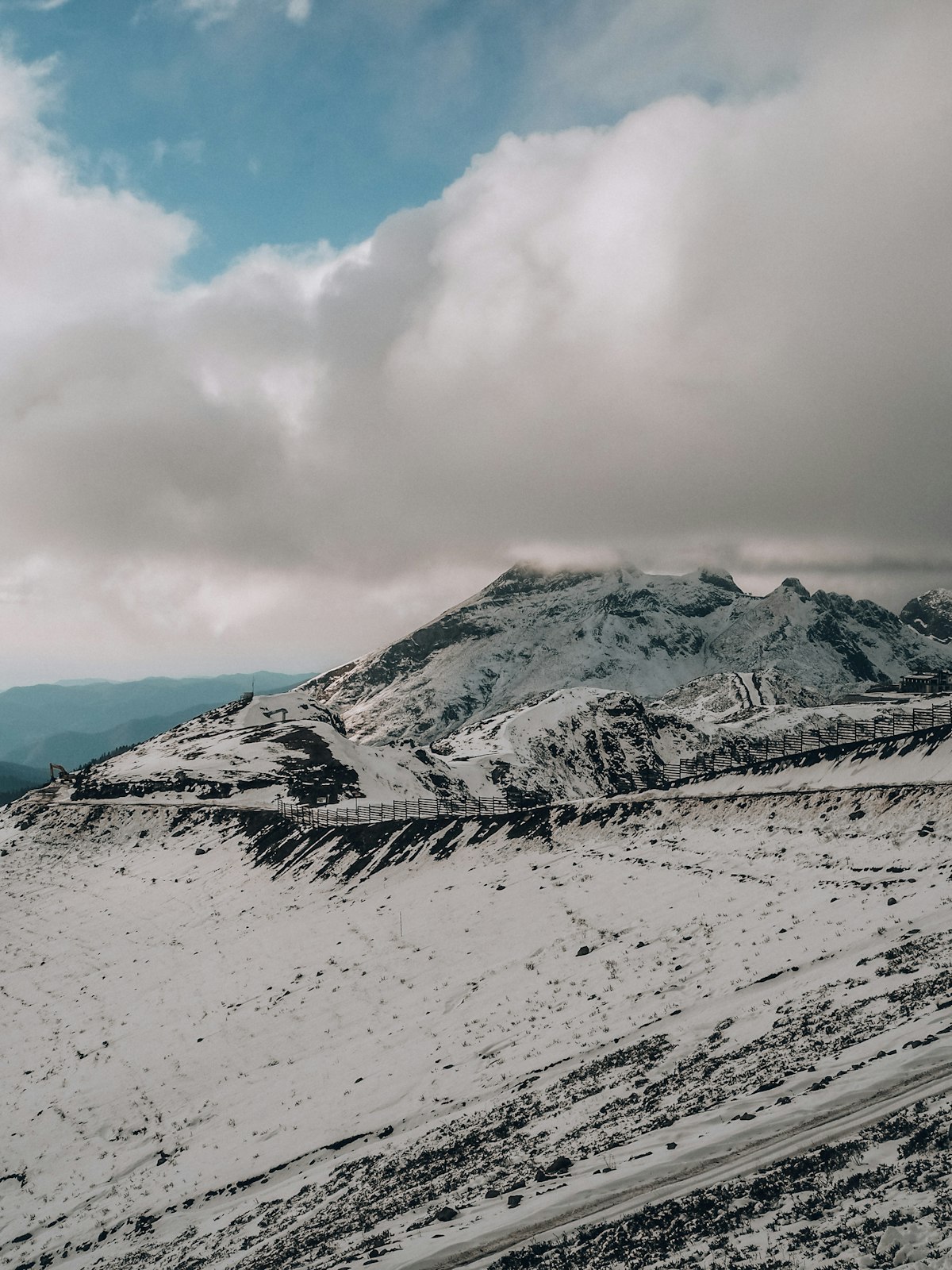
Most international skiers have never heard of La Hoya. That's exactly what makes it worth the trip. Located just 13 km from the Welsh-Patagonian town of Esquel in Chubut Province, La Hoya is a small, community-run ski resort with a loyal local following, surprisingly dry snow, and lift ticket prices that feel like a time warp. Our team has been bringing adventurous skiers here for years, and the reaction is always the same: why didn't I know about this place?
Where Is La Hoya and How Do You Get There?
La Hoya sits in the southern reaches of the Argentine Andes, about 13 km northeast of the town of Esquel. The nearest airport is Esquel (EQS), which receives direct flights from Buenos Aires on Aerolineas Argentinas — typically 2.5 hours with a flight cost of $100-160 USD round trip. From the airport, Esquel is a 15-minute drive, and the resort is another 15 minutes beyond that.
The alternative is flying into Bariloche (BRC) and making the 300 km drive south through the Andes — a stunning 4-hour road trip along Ruta 40 and Ruta 259 that passes through El Bolson, Cholila, and some of the most photogenic landscapes in Patagonia. We can arrange this as a scenic transfer for guests who want to combine La Hoya with a Bariloche ski trip.
What Is the Skiing Like at La Hoya?
La Hoya has a summit elevation of 2,075 meters and a base at 1,350 meters, giving it 725 meters of vertical drop. The resort operates 8 lifts serving 30 runs across roughly 60 hectares of marked terrain. The breakdown is approximately 25% beginner, 45% intermediate, and 30% advanced.
What sets La Hoya apart is its snow. The resort faces south (the cold side in the Southern Hemisphere) and sits in a sheltered valley that traps cold air. The result is unusually dry, light powder — closer in texture to what you'd find in Colorado or Utah than the heavier coastal snow typical of northern Patagonian resorts. La Hoya regularly holds snow well into October, making it one of the longest-season resorts in Argentina.
The terrain is honest and unpretentious. Intermediates will enjoy long, consistent groomers with genuine pitch. Advanced skiers can find steep chutes and open bowls above the treeline, plus some genuinely challenging off-piste lines on the backside. It's not massive, but it's the kind of mountain where you can ski hard for a full day without getting bored.
When Is the Best Time to Ski La Hoya?
La Hoya's season typically runs from mid-June through mid-October — one of the longest in Argentina. The best conditions are generally from mid-July through September. August is the sweet spot: reliable snowpack, cold temperatures, and long enough days to maximize your skiing. September and early October offer excellent spring conditions with warm sun, soft snow, and almost no one on the mountain.
Because of its southerly aspect and dry microclimate, La Hoya often has skiable snow when northern resorts like Cerro Catedral are struggling with warm spells. Check our season breakdown for a week-by-week guide to conditions across all Patagonian resorts.
What Is Esquel Like as a Base Town?
Esquel is a small, unhurried Patagonian town of about 40,000 people with a fascinating dual heritage — Argentine gaucho culture mixed with a Welsh immigrant community that settled the Chubut Valley in the 1860s. You'll find Welsh teahouses serving traditional cream tea alongside parrillas grilling Patagonian lamb over open flame.
The town is genuine and unpolished. There are no resort hotels with spas and concierges — instead, you'll find comfortable family-run hostarias, cozy cabanas, and a handful of good restaurants. Accommodation costs range from $40-80 USD per night for a solid double room to $100-180 USD for a well-appointed cabin. This is real Patagonia, not a resort bubble.
Esquel is also the terminus of La Trochita, the famous narrow-gauge steam train (the Old Patagonian Express) that Paul Theroux wrote about. A ride on La Trochita through the steppe is a memorable non-skiing experience, especially for families with kids.
How Much Does It Cost to Ski at La Hoya?
La Hoya is the most affordable ski resort in the Argentine Andes. Adult day passes typically cost $25-40 USD — roughly half what you'd pay at Cerro Catedral or Las Lenas. Equipment rental runs about $15-25 USD per day. Combined with Esquel's low accommodation and dining costs, a week at La Hoya can cost 40-50% less than a comparable trip to Bariloche.
For budget-conscious skiers or those who want to stretch a two-week trip across multiple resorts, La Hoya is an outstanding value. We often include it in custom multi-resort itineraries for guests who want variety without breaking the bank.
Is La Hoya Good for Beginners and Families?
Very much so. The ski school at La Hoya is small and affordable, with patient instructors who work well with children. The beginner area is gentle and well-separated from faster traffic. The overall atmosphere is relaxed and family-oriented — this is a resort where local families from Esquel come to ski on weekends, and the vibe is warm and welcoming.
That said, La Hoya lacks some of the polished amenities of larger resorts. On-mountain dining is basic, and there's no resort village at the base. For families who want more infrastructure, Cerro Bayo or Cerro Catedral might be better primary destinations — but La Hoya makes an excellent 2-3 day side trip for families who enjoy authentic experiences.
Who Should Ski La Hoya?
La Hoya is perfect for skiers who prioritize the experience over the amenities — people who want empty slopes, dry snow, genuine culture, and the feeling of discovering something off the beaten path. It pairs beautifully with Bariloche or Cerro Bayo in a multi-resort trip, and the drive between them is one of the best road trips in Argentina.
If you're the kind of skier who lights up when you hear phrases like no lift lines, dry powder, and affordable, La Hoya belongs on your list. Talk to our team about building it into your Patagonia ski trip.