Jet Lag and Skiing in Patagonia: How to Recover Fast and Ski Day One
Jet lag on a Patagonia ski trip is mild but the overnight flight is not. Here is how to recover fast and ski a strong first day.
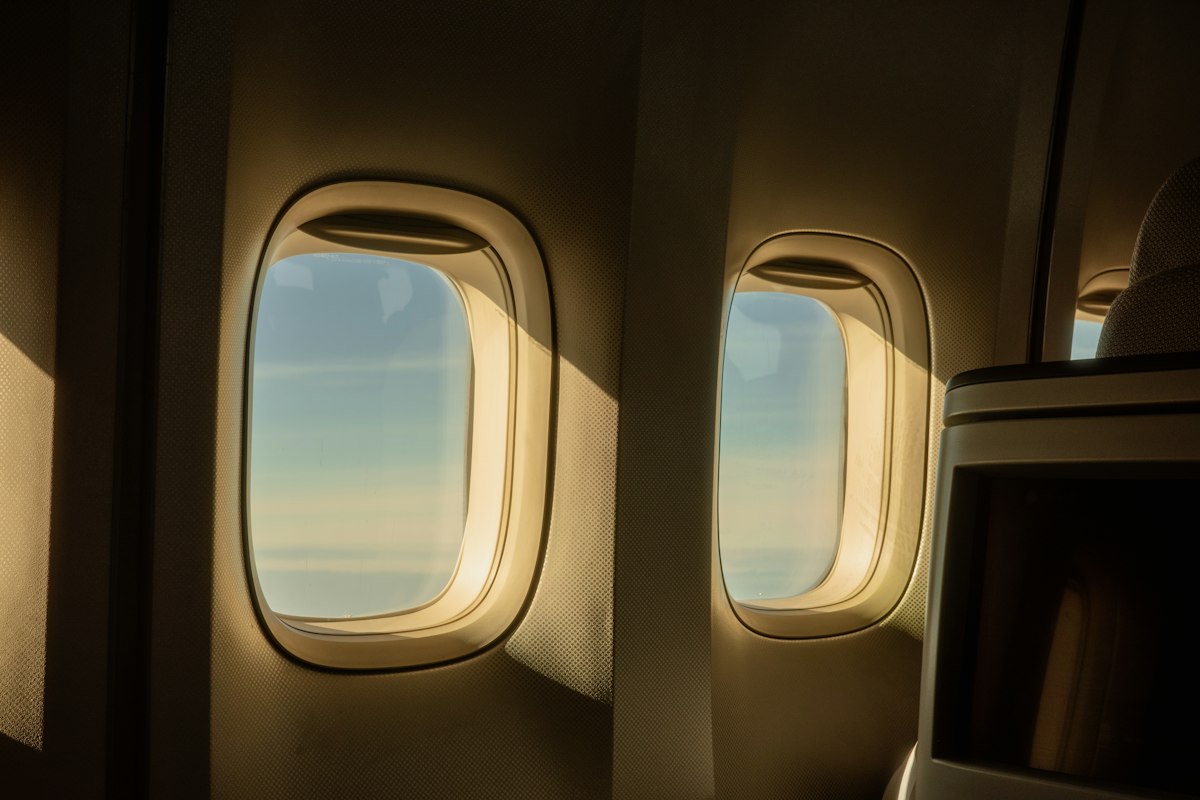
Jet lag on a Patagonia ski trip is usually mild, because in the July-August ski season Argentina is only 1 to 4 hours ahead of North America and 4 hours behind the UK, so you cross few time zones. The real cost is the overnight flight, not the clock change: most skiers lose their first ski day to fatigue rather than to time zones. Plan to land a day early or keep your first day short, and you will ski day two as strongly as day six.
Quick Answer: Jet lag and Patagonia skiing
- Time difference in July (Argentina is UTC-3 all year): 1 hour ahead of New York, 4 hours ahead of Los Angeles, 4 hours behind London, 13 hours behind Sydney
- Typical recovery: 1 day for North Americans, 2 days for Europeans, 3 days for Australians
- Best arrival buffer: 1 night in Buenos Aires or Bariloche before the first lift ticket
- Biggest fix: light in the morning, no alcohol on the plane, a short walk on arrival day
- First ski day: half day on groomed runs at Cerro Catedral
How bad is jet lag for skiers flying to Patagonia?
For most travelers it is mild to moderate. Argentina does not use daylight saving time and stays on UTC-3 all year, so in the July and August ski season you are 1 hour ahead of New York, 4 hours ahead of Los Angeles and 4 hours behind London. That is a small shift compared with a flight to Japan or Australia.
What hurts is the arrival pattern. Flights from Miami, Houston, Atlanta and Dallas to Buenos Aires (EZE) leave in the evening and land early in the morning after 9 to 11 hours, and the domestic hop to Bariloche (BRC) adds another 2 hours. By the time you reach the lodge you may have slept 3 hours in 30. Our guides see more bad first days from this broken sleep than from the time change itself. For the full flight picture, see our guide to flight times from the US, UK and Australia.
How many days does it take to adjust?
A common rule is one day of recovery for every one to two time zones crossed, but for Patagonia we plan around the route instead:
- North America (1-4 hours difference): usually 1 day, sometimes none for East Coast travelers who sleep on the plane.
- Western Europe (4 hours difference): 1 to 2 days, because the flight is a daytime or evening red-eye that lands you in the Argentine morning.
- Australia and New Zealand (12 to 13 hours): 2 to 3 days, and the hardest direction because your body wants to sleep when the lifts are busiest.
If you have only a 4-day window, protect it by arriving the day before your first ski day. If you have 7 days, a gentle first day is enough.
What should you do on the flight?
Set your watch to Argentina time when you board and try to sleep when it is night in Buenos Aires. Skip alcohol, which breaks up sleep and dehydrates you at cabin humidity of around 10 to 20 percent. Drink water steadily, and bring an eye mask and earplugs.
Do not rely on sleeping tablets you have never tried before. A foggy morning at the airport is a poor start, and rules on medication differ, so read our note on pharmacies and medication in Argentina before you pack anything. Walk the aisle once every 2 hours to keep legs loose; you will thank yourself on the first chairlift.
What is the best way to spend arrival day?
Get outside in daylight as early as you can, because morning light is the strongest signal to reset your body clock. In Bariloche that means a 30 to 40 minute walk along the Lago Nahuel Huapi shore, a late lunch, and bed before 10 pm.
Argentines eat dinner late, often at 9 or 10 pm, which makes it easy to stay awake until a sensible hour but hard to go to bed early. Eat a big lunch, have a light dinner, and you will sleep. Our post on late dinners and the ski day explains how to work with the local rhythm.
How should you ski the first day?
Ski a short, easy first day: 3 to 4 hours on groomed blue runs, finish by 2 pm, and keep a rest hour after lunch. Tired legs and a tired brain make edge-catching more likely, and the first day is when injuries are most common.
At Cerro Catedral the summit sits near 2,000 m and the base near 1,030 m, so you also gain altitude quickly. That adds to fatigue; our altitude acclimatisation guide covers how to pace it. If you have booked a guide, tell them how you slept and they will adjust the route. You can see how we structure trips at our group experiences page.
Does caffeine, melatonin or light therapy help?
Strategic caffeine helps, melatonin helps some people and light helps nearly everyone. Have coffee in the morning only, and stop by early afternoon. Melatonin at a low dose, taken at local bedtime for the first 2 or 3 nights, is a common choice, but check with your doctor first.
Avoid napping for more than 30 minutes in daylight on the first day. If you are exhausted at 3 pm, a short nap before 4 pm is better than none, and it will not wreck your night. After 4 pm, drink water and go for a walk instead.
Frequently Asked Questions
Does Argentina change its clocks for daylight saving? No. Argentina stays on UTC-3 all year, so the gap with North America and Europe changes when your own country changes its clocks, not Argentina.
Should I fly into Buenos Aires or straight to Bariloche? Flying via Buenos Aires gives you a natural break on the way. If your onward flight leaves within 3 hours, keep your bags light and eat on the plane; if you have a longer gap, ask us about a night in the capital.
Is jet lag worse flying home? Coming home to Europe or Australia usually feels harder, because you land after an overnight flight and go straight back to work. Plan a quiet day after you land if you can.
Can I ski on the day I arrive? You can, but we do not recommend it after a red-eye. A half day on easy runs is fine if you slept well on the plane.
This guide was written by the Ski Patagonia Co. team, based on many seasons of meeting guests at Bariloche airport and watching what their first day on snow looks like.
If you want a first day built around your flights instead of against them, tell us when you land on our Plan My Trip page and we will shape the itinerary around your arrival.
Hero photo by Fabio Sasso on Unsplash