Altitude Acclimatisation for Skiers Flying to Patagonia
Most ski resorts in Argentine Patagonia sit between 1,000 and 2,400 metres -- low enough that serious altitude sickness is uncommon, but high enough that sea-level visitors notice the difference on day one. Here is what to expect and how to prepare.
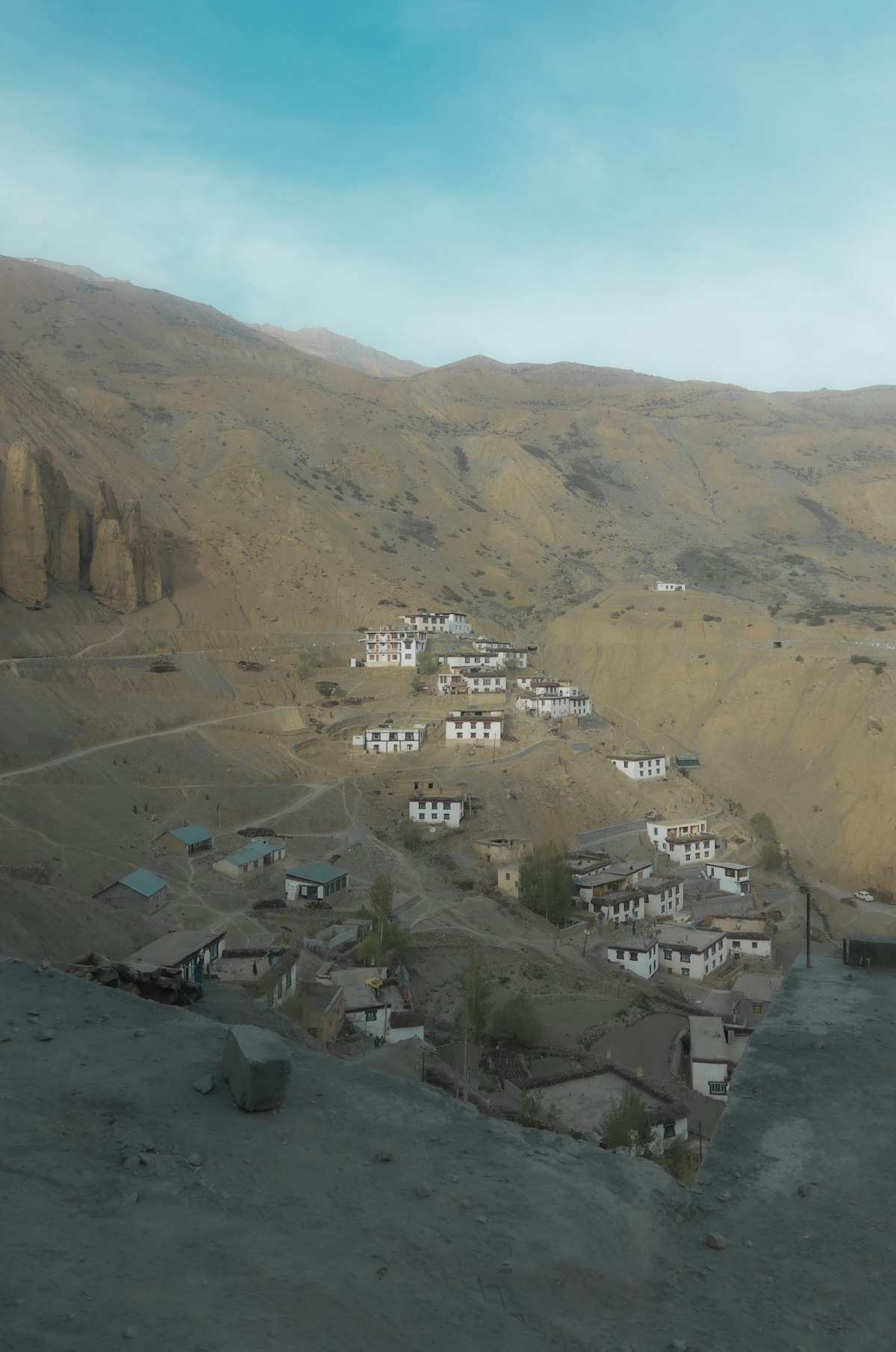
The main ski resorts in Argentine Patagonia -- Cerro Catedral at 2,388 m summit, Cerro Chapelco at 1,980 m, Las Lenas at 3,430 m -- are not Himalayan heights, but they are well above sea level and above the elevation most North American and European skiers encounter at home. For visitors arriving directly from sea level, a day of reduced performance, mild headache, or disrupted sleep on night one is normal. For Las Lenas in particular, altitude deserves serious planning. Here is what to expect and how to handle it.
Quick Answer: Altitude at Patagonian ski resorts
- Cerro Catedral base: 1,030 m -- no altitude concern
- Cerro Catedral summit: 2,388 m -- mild symptoms possible for sea-level arrivals
- Cerro Chapelco summit: 1,980 m -- generally fine, mild symptoms possible
- Las Lenas summit: 3,430 m -- real altitude; plan 1-2 acclimatisation days
- Bariloche town: 770 m -- no altitude concern
- First ski day: Plan for 10-20% reduced aerobic capacity; take it easier than you normally would
Why does altitude affect skiers more than other travellers?
Aerobic performance decreases measurably above 1,500 m -- roughly 2-3% per 300 m above that threshold. For skiers making high-effort runs, lapping steep terrain, or skiing continuously for 4-5 hours, this compounds into real fatigue. You are also more likely to be dehydrated at altitude (dry Andean air, increased respiratory rate), and the physical output of skiing masks early altitude symptoms that a less active traveller would notice sooner. The result: many skiers think they are just tired from travel on day one, when altitude is also a factor.
What are the actual symptoms to watch for?
Mild Acute Mountain Sickness (AMS) at moderate altitude (2,000-2,500 m) typically presents as:
- Headache, usually dull and frontal, beginning 2-8 hours after arrival at altitude
- Disrupted sleep -- frequent waking, vivid dreams, reduced sleep quality
- Reduced appetite, occasional nausea
- Fatigue disproportionate to exertion
- Mild dizziness on sudden head movements
These symptoms are self-limiting at the elevations of Catedral and Chapelco -- they typically resolve within 24-36 hours as your body produces more red blood cells. At Las Lenas (3,430 m), symptoms can be more pronounced and a small number of visitors develop moderate AMS that requires descent or medication. HAPE (High Altitude Pulmonary Oedema) and HACE (High Altitude Cerebral Oedema) are serious conditions that can develop at Las Lenas elevations if mild symptoms are ignored -- know the warning signs (worsening headache, confusion, chest tightness, inability to walk straight) and descend immediately if they appear.
How should you structure arrival day for a Catedral/Chapelco trip?
For Cerro Catedral and Cerro Chapelco, acclimatisation is simple:
1. Arrive in Bariloche or San Martin de los Andes (both at 770-850 m) and sleep at town altitude on night one
2. Eat and drink normally -- hydration matters; aim for 3+ litres of water
3. Day one on the mountain: start late (10:00 rather than 08:00 lift opening), take a long lunch, do not try to lap maximum vertical
4. Day two: normal skiing pace, symptoms should be largely resolved
Most guests who follow this pattern report no significant altitude issues at Catedral. The mistake is flying in from sea level, driving directly to the mountain, and launching into a full first day as if at home altitude. That is when you end up with a headache at lunch on day one.
What about Las Lenas -- is altitude a real concern there?
Yes. At 3,430 m summit elevation and with the nearest town (Malargue) at 1,420 m, Las Lenas is in a different altitude category from Catedral. The base village sits at around 2,200 m, which is the altitude at which you will sleep -- that is meaningful for sea-level visitors.
For Las Lenas, recommended approach:
- If flying from sea level, spend 1-2 nights in Mendoza (750 m) before driving to the resort
- Do not ski aggressively on day one; use it as a slow acclimatisation day
- Avoid alcohol on night one -- it worsens sleep quality and altitude symptoms
- Consider acetazolamide (Diamox) if you have had altitude problems before; consult a doctor before travel
- Know where the medical centre at Las Lenas is located (base village, open during ski hours)
Does Patagonian altitude affect sleep quality, and how do you manage it?
Disrupted sleep is the most commonly reported altitude symptom at Catedral and Las Lenas. Cheyne-Stokes breathing -- a periodic pattern where breathing slows and then speeds up during sleep -- is common at moderate altitude and wakes people up without obvious cause. It is not dangerous at the elevations in question, but it is annoying and it compounds ski fatigue.
Things that help: maintain hydration through the evening (but finish fluids 90 minutes before sleep to avoid night waking), sleep in a slightly elevated position if possible, avoid alcohol on night one. Most guests report normal sleep by night two or three.
Are there any medications or supplements worth considering?
For the elevations at Catedral and Chapelco, no medication is needed for healthy adults. Ibuprofen (400 mg with food) is a reasonable and evidence-backed choice if you develop altitude headache -- it is more effective than paracetamol for AMS headache and safer than aspirin with skiing activity. Acetazolamide (prescription) is worth discussing with a doctor if you are going to Las Lenas and have a history of altitude sensitivity.
For supplements: the evidence for ginkgo biloba and other marketed altitude supplements is weak. Good old hydration, reduced first-day exertion, and sleeping low before going high are the interventions with solid evidence behind them.
Frequently Asked Questions
Is altitude at Cerro Catedral a concern for children?
At the elevations of Catedral (summit 2,388 m, base 1,030 m), healthy children acclimatise as readily as adults. The same first-day precautions apply -- start slow, hydrate, and watch for signs of unusual fatigue or headache. Children with respiratory conditions should consult a doctor before travel.
How does alcohol interact with altitude in the first 24 hours?
Alcohol worsens altitude symptoms significantly -- it suppresses the ventilatory response that helps you acclimatise, reduces sleep quality, and compounds dehydration. One drink with dinner on night one is fine; a heavy first night is a bad idea at any altitude above 1,500 m and especially at Las Lenas.
Can you take altitude sickness pills (Diamox) as a precaution for Catedral?
Diamox is not necessary or recommended for healthy adults going to Catedral or Chapelco elevations. Reserve it for Las Lenas if you have a history of altitude problems, and only after a conversation with your doctor -- it interacts with a number of common medications and has side effects including frequent urination and tingling in the hands.
*This guide was written by the Ski Patagonia Co. team, drawing on years of guiding international visitors at Cerro Catedral and Las Lenas and observing first-hand how altitude affects performance and comfort.*
Planning your first ski trip to Patagonia and want advice tailored to your fitness level and the resorts you are considering? Talk to us before you book.