From Blues to Blacks: How to Progress from Intermediate to Expert at Cerro Catedral
Cerro Catedral has more ways to challenge an intermediate skier than almost any resort in South America -- here is the progression our guides use to move guests from blue runs to black in a week.
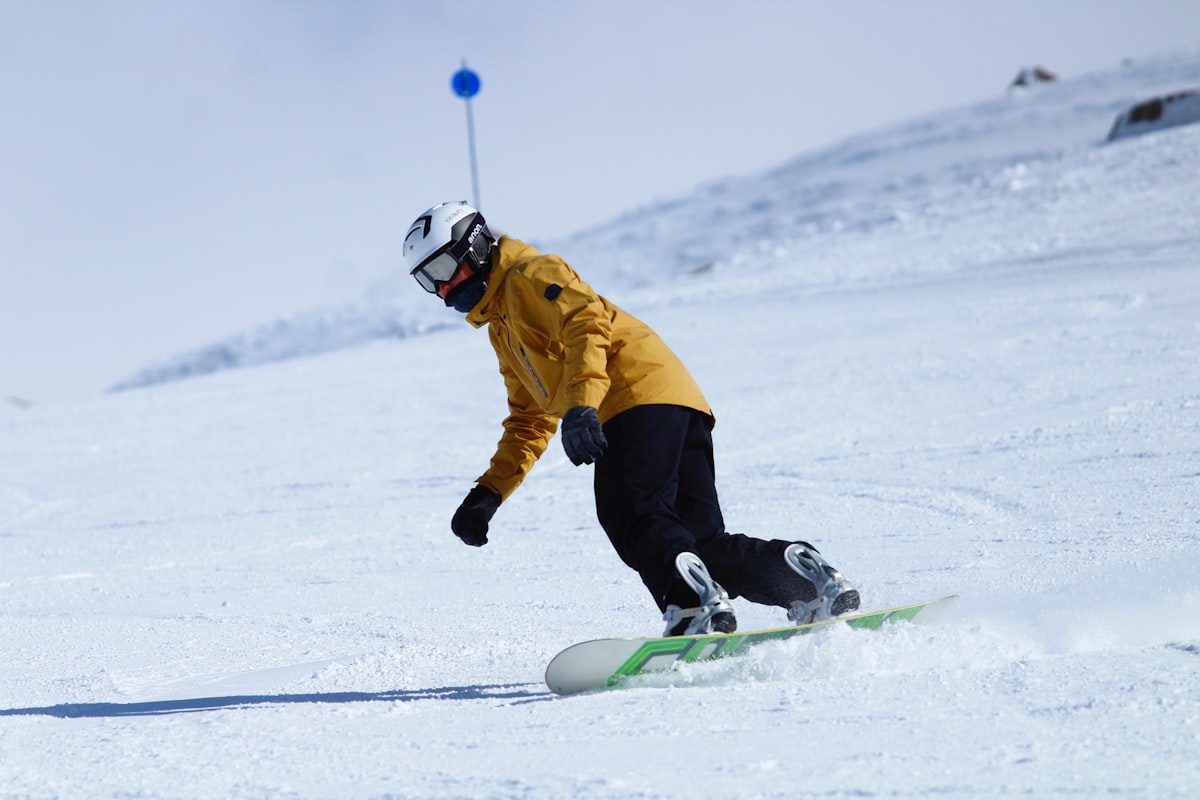
Cerro Catedral in Bariloche is one of the best mountains in the world for moving from intermediate to advanced skiing, because its 120+ runs and 1,000 m of vertical give you every gradient you need within a single resort. Most intermediate skiers who ski with our guides for 5--7 days arrive comfortable on groomed blue runs and leave skiing black terrain with confidence. The progression is predictable if you follow the right sequence of runs, hire a guide who knows the mountain, and resist the temptation to skip steps.
Quick Answer: Intermediate to advanced progression at Cerro Catedral
- Starting point: Comfortable on groomed blue runs, parallel turns, moderate speed
- End point after 5--7 days: Confident on black groomers, first steps off-piste on soft snow
- Key areas: Catedral main face, Nido del Condor, La Laguna, Lynch sector
- Best lifts for progression: Punta Princesa, Nido del Condor, La Laguna (when open)
- Private guide rate: ~$300--500 USD/day for 1--4 guests
What counts as intermediate at Cerro Catedral?
An intermediate skier at Cerro Catedral is someone comfortable on blue runs -- parallel turns, able to control speed on moderate pitches, not yet confident on steeper or ungroomed terrain. The mountain pushes you because the groomed blues here are longer and steeper than their equivalents in most North American or European resorts. The Colgada run, rated blue, drops 400 m of vertical at a pitch that would be rated black at many Colorado resorts. This is actually ideal for progression: the mountain forces you to find your parallel turn in real conditions, not on a beginner slope.
Which runs should you ski first as an intermediate?
Start on the Catedral and Colgada runs off the Van Titter and Catedral lifts -- these are long, wide, well-groomed blues with 300--400 m of vertical that let you build rhythm before committing to steeper terrain. Once those feel easy, move to the Nunatak run off Punta Princesa, a 450 m vertical blue with a short steep pitch two-thirds of the way down that most intermediates find challenging the first time and easy by the third. By the end of day 2, most guests skiing with us are comfortable on every blue run at Catedral. That is when the work begins.
How do guides move intermediates onto black terrain safely?
The transition from blue to black at Cerro Catedral happens most reliably on two runs: Condor (off Nido del Condor lift, 1,100 m vertical, rated blue-black) and the lower half of Lynch (off Punta Princesa, rated black but with a groomed center line). Both runs have steeper pitches that feel genuinely black on the first descent but become manageable after 3--4 runs as the guest learns to trust their edges. Our guides position themselves below each steep section, coach the turn shape in real time, and run laps until the technique holds. The key technical focus is always the same: weight the outside ski, hands forward, look two turns ahead.
What is the role of off-piste terrain in intermediate progression?
Off-piste is not just for experts -- skiing short sections of soft, shallow ungroomed snow beside the groomed runs is one of the fastest ways to improve edge feel and balance. At Catedral, the natural snow on skier''s left of the Colgada run is typically soft-packed and forgiving by 10:00 AM on any given morning. We use 10--15 second bursts into that terrain and back onto the groomed run as a drill for intermediates on day 3. By day 5, most guests are making full runs in soft ungroomed snow without assistance. La Laguna sector -- when open, which requires a base above 90 cm -- is the ideal final step: wide, steep, and consistently good snow that rewards the technique built during the week.
How long does it take to make the jump from intermediate to advanced?
For a guest skiing 5 days at Cerro Catedral with a private guide, the jump from blue to black typically takes 3 days. By day 4 most guests are skiing blacks consistently. By day 5 they are exploring sections of Lynch and La Laguna that would have felt terrifying on arrival. The progress is faster at Catedral than at comparable European or North American resorts for one reason: altitude. Skiing at 2,388 m (Punta Princesa summit) in dry Patagonian air is physically demanding, and the effort required to maintain form builds strength and muscle memory faster than lower-altitude skiing.
What should you expect on your final day?
By day 6 or 7 at Cerro Catedral, the typical guest who has worked the progression correctly is skiing 1,000 m vertical runs top to bottom on black terrain, choosing their own lines, and starting to read the mountain. We finish every week with a full-mountain lap -- Punta Princesa to La Laguna (when open) to Lynch to the base -- taking the best conditions of the day rather than following a prescribed route. That run, which would have been unthinkable on day 1, is the moment most guests tell us changed how they think about skiing.
Frequently Asked Questions
Do I need a private guide, or can I progress on my own?
You can progress without a guide, but it takes longer and carries more risk. A private guide at Cerro Catedral costs $300--500 USD per day for groups of 1--4, cuts learning time roughly in half, and ensures you do not overski your ability. See our guide service page for options.
Is Cerro Catedral better than Las Lenas for intermediate progression?
Yes, for intermediates. Las Lenas has better expert and off-piste terrain but fewer groomed blue-to-black progression runs. Catedral''s variety -- 120+ runs across 1,200 ha -- makes it the better learning mountain. See our Las Lenas guide for a full comparison.
What fitness level do I need to progress quickly?
Cardiovascular fitness matters more than leg strength. Cerro Catedral''s altitude range of 1,030--2,388 m is moderate, but skiing 6--8 hours a day at altitude fatigues guests who are not aerobically conditioned. We recommend 3--4 weeks of daily 30-minute cardio before your trip. See our ski fitness guide for a full pre-trip programme.
*This guide was written by the Ski Patagonia Co. team, based on more than 10 seasons guiding intermediate-to-advanced progression at Cerro Catedral.*
Ready to make the jump from blue to black? Plan your progression week with us -- we will design the itinerary around your current level and your goals.