My First Week Skiing Patagonia: What I Got Wrong and What Surprised Me
I flew into Bariloche expecting something like Colorado but cheaper. I was wrong about almost everything -- and that turned out to be the point.
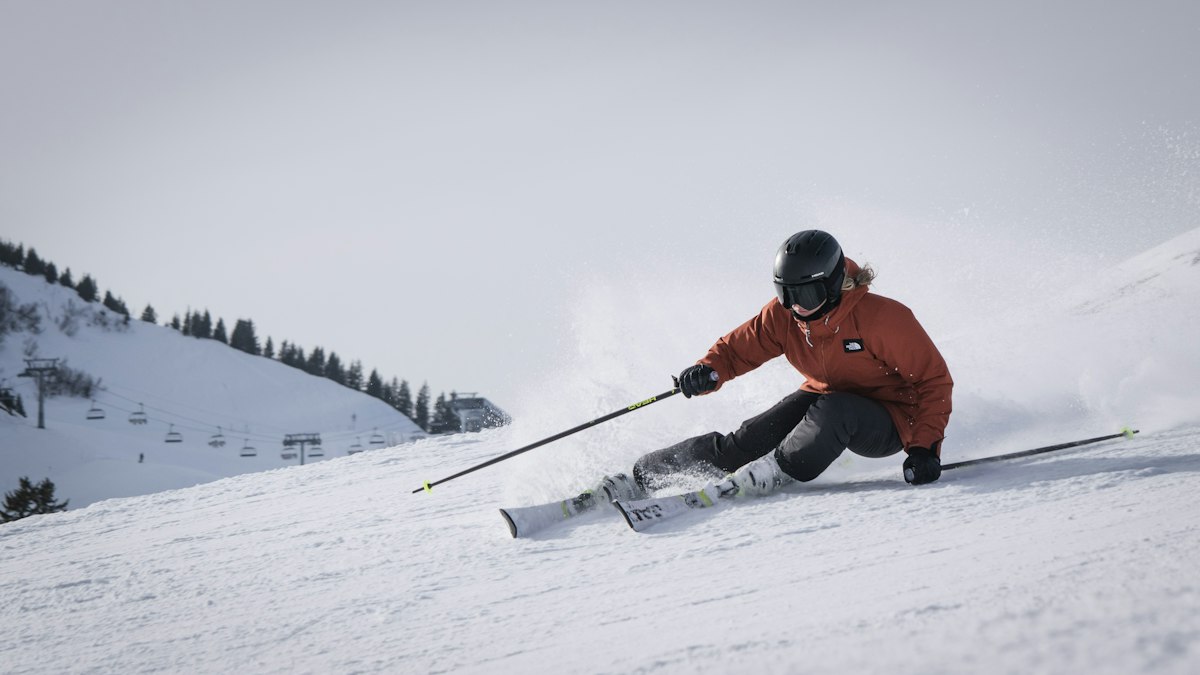
I flew into Bariloche on a Tuesday afternoon in mid-July, passport damp from a rainstorm in Buenos Aires that had delayed the flight by two hours. I had been telling people for months that I was going skiing in Patagonia. I had a vague picture in my head: big mountains, cold air, fewer crowds than Aspen. I was wrong about almost everything except the air.
This is an attempt to write down what I actually found, for anyone who is in the position I was twelve months ago -- interested, planning, but not quite sure what to expect from a place that seems simultaneously remote and surprisingly well set up for skiers.
Getting there felt like an expedition. Arriving felt ordinary.
The flight from Buenos Aires to Bariloche is less than two hours. The airport is 15 kilometres from town. The taxi driver who collected me spoke no English and I spoke no Spanish beyond gracias and one phrase I had memorised from a translation app. We drove through a landscape I was not prepared for -- scrubby Patagonian plain giving way suddenly to a wide blue lake and a town that looked, at first glance, like a small Alpine village that had been transplanted to the southern hemisphere and left to evolve on its own. It was more functional than picturesque, less precious than I had expected.
I had been warned the roads to the resort would be difficult. They were fine. The drive up to Cerro Catedral the next morning took 20 minutes. The ski area parking was busier than I expected for a weekday. There were school groups, retired couples, families with small children. This was not a rarefied destination for elite skiers. It was where Argentinians go skiing.
The mountain was bigger than I realised
Cerro Catedral has 120 kilometres of runs. I had read that statistic before arriving and it had not meant very much to me. Once I was on it, I started to understand. The mountain rises steeply from the base in a way that makes it feel more vertical than the trail map suggests. The views from the upper lifts reach across to peaks in Chile on a clear day. The upper bowls are wide and the snow in the north-facing gullies holds better than I expected for mid-July.
I skied the Lince piste on the first morning with a guide our team had arranged. He was patient with my assumption that I knew what I was doing and corrected me twice about line choice in the upper bowl. He was right both times. If you are coming from a resort where you have skied for years and assume you can navigate alone from day one, I would gently push back on that. The mountain rewards local knowledge. Our off-piste experiences are built around exactly this -- pairing visiting skiers with guides who know where the good snow is and how to read the Patagonian wind.
The cold was different
I ski in Canada. I know cold. Patagonian cold is different in a specific way: the wind. The *viento blanco* -- the white wind -- is not a gust. It is a sustained lateral force that arrives without warning and can close the upper mountain within 30 minutes of it building. I had read about this before arriving and still underestimated it. My first wind day happened on day three. The upper lifts shut at 10am. We were back at the base by 11, in a cafe with hot wine, watching the cables swing in the gusts above us.
This is not a complaint. It is part of the experience. The wind days have their own rhythm. Bariloche below the snowline is a real town with good places to eat and things to do. The wind day plan is something worth thinking through before you arrive, not on the morning it happens.
The food was genuinely good
I expected the skiing to be good. I did not expect to eat as well as I did. The parrilla at the base lodge is not the resigned chicken-and-chips of some European resorts. It is real Argentine beef, cooked over wood coals, served with chimichurri, at a price that seemed impossibly low coming from North America. Lunch on the mountain was the best meal of two of the seven days.
In town, the chocolate shops are something of a local obsession. The *cervecerÃas* along the lakefront are better than any ski-town bar I have been to. The Malbec that appeared at dinner every night was better than bottles I had paid three times as much for at home.
What I got wrong
I brought too much gear. I assumed the ski rental would be poor and carried a bag of my own equipment that was awkward through both airports and unnecessary. The shops in Bariloche stock current gear, properly maintained, at prices that are lower than North American rentals. The post on renting skis in Argentina is correct: unless you are a specialist with very particular boots, rent locally.
I also underestimated how much the trip would benefit from local guidance. I had planned to navigate it independently. Within 48 hours I was grateful for the contact our team had arranged -- a guide, a driver, a restaurant recommendation I would not have found from a search. The value of having someone in Bariloche who knows the difference between a good July and a difficult one is hard to quantify until you are there.
What I would do differently
Book the guide first, not last. Confirm flights earlier than feels necessary. Pack lighter. Trust that the mountain is bigger and more interesting than any trail map makes it look, and that the food, the wine, and the evenings in town are part of the experience, not recovery time between ski days.
If you are planning your first trip to Patagonia, talk to us before you book anything. Ten minutes of conversation about what you ski, who you are travelling with, and what you want from the week will save you from combinations that work on paper but not on the mountain.