Bariloche in Summer vs. Winter: Why We Still Say Come for the Skiing
Bariloche is a year-round destination, but summer and winter offer completely different experiences -- here is how they compare, and why we still recommend the ski season.
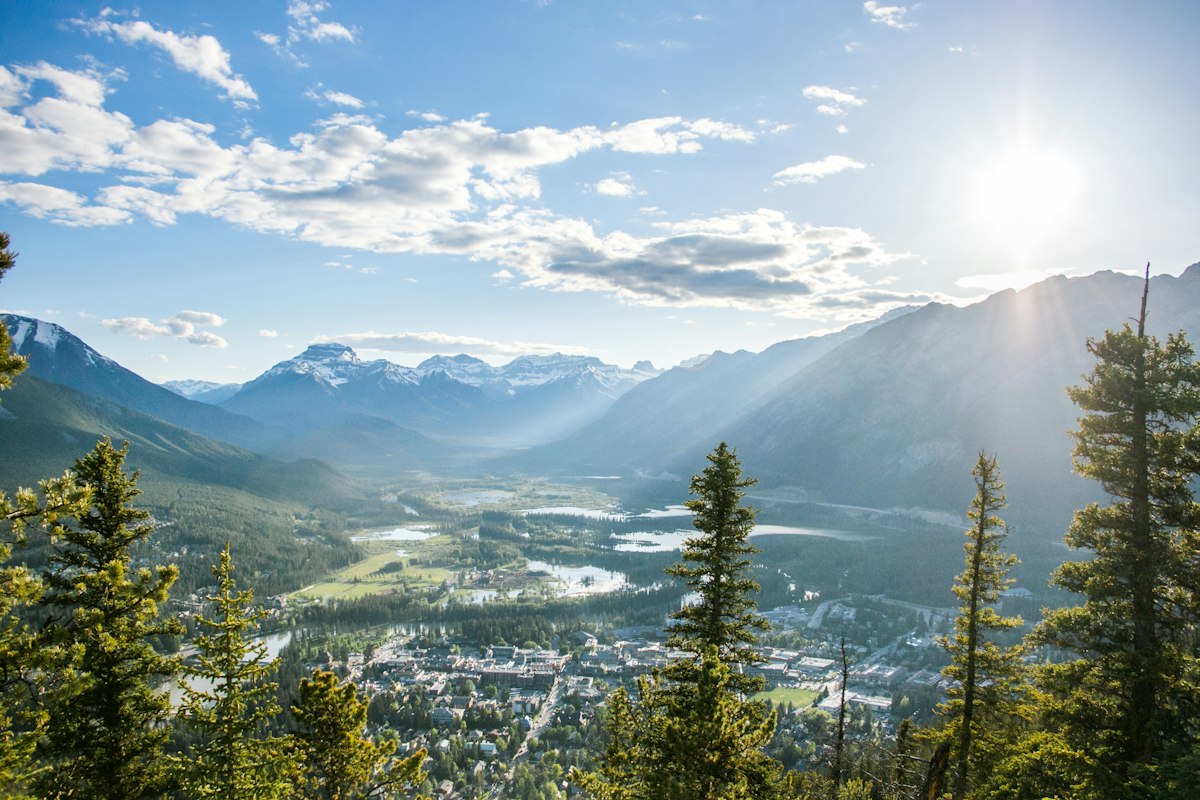
Bariloche runs on two very different calendars: winter ski season from June to October, built around Cerro Catedral's 1,200 hectares of terrain, and summer season from December to March, built around lake activities, hiking, and long daylight. Winter temperatures average -2 to 8C (28-46F) with roughly 9-10 hours of daylight, while summer averages 12-24C (54-75F) with up to 15 hours of daylight. Both seasons draw visitors, but if you are choosing a single trip, we still recommend winter -- skiing is what put Bariloche on the map, and the ski season remains the region's most distinctive experience.
| | Winter (June-October) | Summer (December-March) |
|---|---|---|
| Main activity | Skiing and snowboarding at Cerro Catedral | Hiking, kayaking, mountain biking |
| Average temperature | -2 to 8C (28-46F) | 12-24C (54-75F) |
| Daylight | Roughly 9-10 hours | Roughly 15 hours |
| Peak crowds | Mid-July (Argentine winter break) | January (Argentine summer break) |
| Lodging prices | Highest in July | Highest in January |
| Signature experience | Skiing 1,200 hectares at Cerro Catedral | Hiking Refugio Frey or Cerro Tronador |
When is winter season in Bariloche and what can you do?
Winter season runs roughly June through October, with peak conditions typically in July and August. The main draw is Cerro Catedral, South America's largest ski resort by terrain, but the season also brings apres-ski culture, chocolate shops on Avenida Bustillo in full swing, and a town atmosphere built entirely around the mountain. Snow depth and conditions vary year to year -- see our guide on reading the Patagonia snow forecast for how to plan around it.
When is summer season in Bariloche and what can you do?
Summer season runs roughly December through March, centered on Nahuel Huapi Lake and the surrounding Andean foothills. Hiking is the headline activity, with routes ranging from an easy walk to Refugio Frey to a full-day trek toward Cerro Tronador's glaciers, alongside kayaking, mountain biking, and lake beaches that fill with local families on hot days. Several of the trails used for summer hiking sit directly on terrain that becomes ski runs in winter -- our post on summer hiking near Patagonia's ski areas covers the overlap in more detail.
How do prices compare between Bariloche's summer and winter seasons?
Both seasons have a clear peak driven by Argentine domestic travel: July for winter, corresponding to Argentina's school winter break, and January for summer, corresponding to the main national vacation month. Lodging in Bariloche during either peak can run 30-50 percent higher than shoulder-season rates, so travelers with flexible dates can often find meaningfully better prices by shifting a week or two outside these windows, in either season.
Which season has better weather for travelers who do not ski?
Summer offers more consistently comfortable weather for general sightseeing, with long days and temperatures that rarely require more than a light jacket. Winter weather is more variable and can include wind, snow, and the occasional multi-day storm that keeps outdoor plans flexible. That said, non-skiers still have plenty to do in winter -- our guide for non-skiers visiting Bariloche covers chocolate tours, spas, and town activities that do not require a lift ticket.
Can you combine skiing and hiking in the same trip?
Only at the edges of the seasons -- late-season skiing in September or October can occasionally overlap with early hiking conditions on lower trails, but the two activities do not meaningfully coexist in a single visit. Most guests choose one season deliberately based on whether skiing or hiking is the priority, rather than trying to combine both in one trip.
Why do we still recommend visiting Bariloche in winter?
Because Cerro Catedral is genuinely one of South America's best ski mountains, and that experience is simply not available in summer. With 120-plus marked runs across 1,200 hectares, terrain for every ability level, and a ski culture built up over decades, winter is when Bariloche does something few other places in the world can match. Summer is a beautiful, easier trip -- but winter is the distinctive one.
Frequently Asked Questions
Is Bariloche worth visiting if you do not ski?
Yes -- summer is built entirely around non-ski activities like hiking, lake sports, and chocolate tourism, and even winter has plenty for non-skiers, from spas to town exploring, covered in our non-skier's guide to Bariloche.
What month has the best snow at Cerro Catedral?
Late July through August typically offers the most reliable snow depth, though conditions vary by year -- see our best time to ski Patagonia guide for a fuller breakdown.
Is Bariloche crowded in the summer?
January is the busiest summer month due to Argentina's national vacation period, with lodging prices and trail traffic both at their highest. Shoulder months like December and March offer a quieter version of the same summer experience.
Do flights and prices change dramatically between seasons?
Yes -- flights and lodging both peak during July (winter) and January (summer), Argentina's two main domestic travel windows, so booking outside those peaks generally means better availability and pricing.
*This guide draws on multiple seasons of Ski Patagonia Co. operating in Bariloche year-round, not just during ski season.*
Whichever season fits your trip, the details -- timing, lodging, transport -- make the difference between a good visit and a great one. Plan your trip with our team and we will help you build it around the right season for what you want.