Day-Tripping to the Chilean Side From Bariloche: A Skier's Border Crossing Guide
Crossing into Chile from Bariloche is closer than most skiers think. Here is what to know about the pass, the timing, and whether the day is actually worth it.
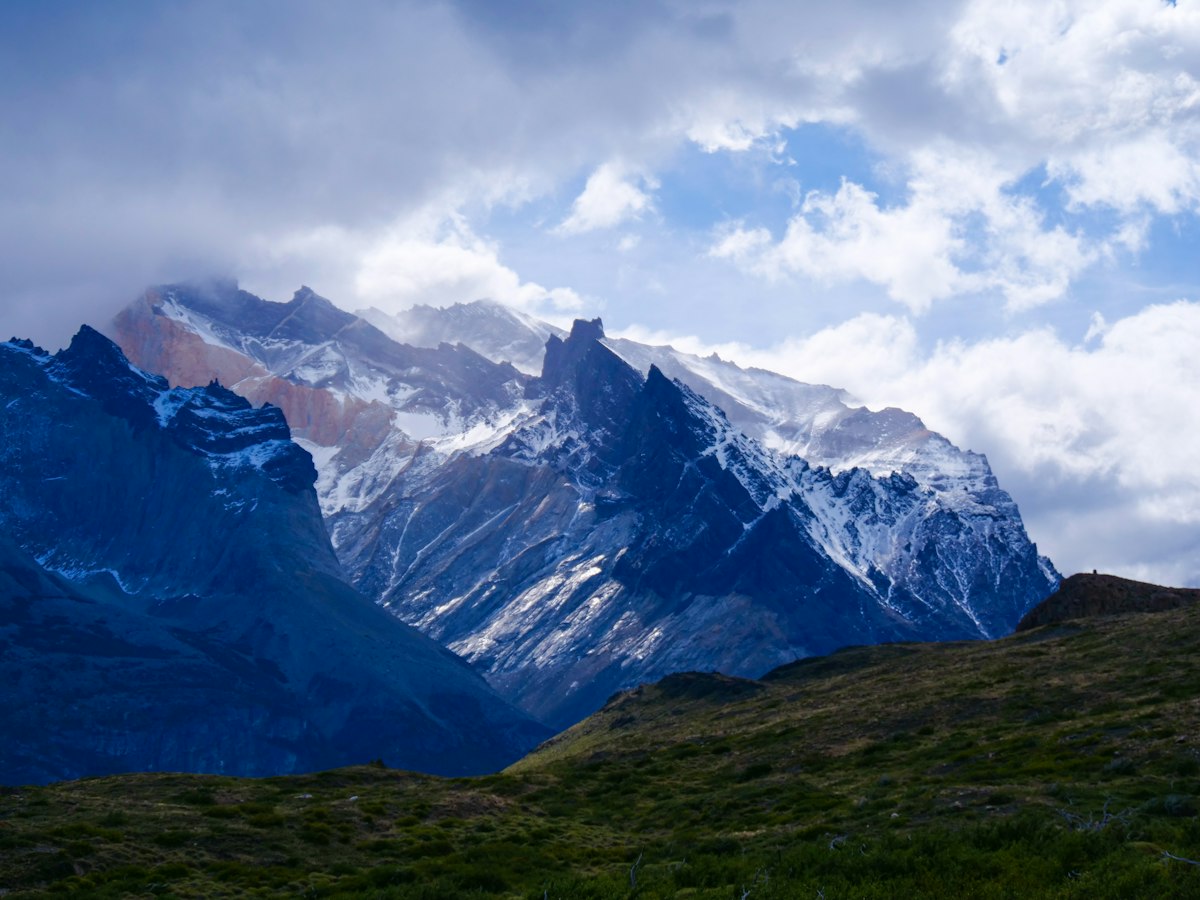
A surprising number of guests on Bariloche ski trips ask the same question by day three: can we cross into Chile for a day? The short answer is yes -- the Cardenal Samore pass is two and a half hours from town in good conditions -- but the longer answer is more interesting. Whether it is worth giving up a day on Cerro Catedral depends on weather, what kind of trip you are on, and what you are hoping to see on the other side.
This guide pulls together what we tell guests about the Bariloche to Chile day trip: the logistics of the pass, the timing windows that work, and the honest case for and against making the drive.
Where the Chilean Side Actually Starts
From downtown Bariloche, the Cardenal Samore pass sits about 110 km north along Ruta 40 and then west on Ruta 231. The drive takes you through Villa La Angostura -- a town worth a stop on its own -- and then climbs through the Nahuel Huanto valley to the border. On the Chilean side you drop into the Puyehue area, which is volcano country: Antillanca, Casablanca, and the steaming cone of Puyehue itself.
It is not a long drive in distance. It is a slow drive in winter. Plan for road conditions, customs lines, and the simple fact that snow on the pass adds time you cannot predict.
The Cardenal Samore Pass: What to Know
The pass sits at about 1,300 meters, which means it can close on heavy storm days. Argentine and Chilean customs both operate at the pass, and you cross into a different time zone -- Chile is one hour behind Argentina in winter. Practical notes we give guests every time:
- Cars need to be authorized for international travel; rental cars require a special permit (about USD 50-80) that the rental agency arranges
- Bring your passport, the rental authorization, and any prescription medications in original containers
- No fresh fruit, vegetables, meat, or dairy across the border -- Chilean customs is serious about agricultural inspection
- Chilean pesos or USD are easiest on the other side; Argentine pesos do not move well in the Puyehue area
The pass is generally open from early morning until early evening, but exact hours shift. Check the day before and again the morning of.
Timing: When to Cross and When Not To
The best windows are mid-week, mid-season, and the day after a storm clears. Sunday afternoons going back into Argentina can be rough -- expect long customs queues. The worst windows are during a storm cycle, when the pass closures are unpredictable, or on a Saturday when day-tripping locals fill the road.
If you are working with us on a custom itinerary, we typically schedule a Chile day in the second half of a trip, after you have spent enough time on Catedral to know what you are missing. That way, if the weather turns and the pass closes, we have already banked the marquee skiing days.
What to Bring (and What Not to Bring)
For a one-day cross-border trip, keep the kit light. Snow tires or chains are usually required on the pass; check with your rental company. Bring layers (the Chilean side often runs colder and wetter), water, snacks, and a small first-aid kit. Leave the heavy ski touring kit unless you have a specific Chilean-side ski plan with a guide -- a casual day trip is not the time to scratch a backcountry itch on unfamiliar terrain.
For packing the rest of the trip, our Patagonia ski packing list covers the basics that still apply on a Chile day.
Is It Worth Skipping a Day on Catedral?
Honest answer: usually no, if it is a short trip. Skiers on a five-day window almost always get more out of staying on the Argentine side and using the day to ski deeper at Cerro Catedral or to drive to Cerro Bayo for a quieter resort day. The Chilean-side resorts are interesting, but they are not the headline reason you came to Patagonia.
Where it shifts is on longer trips, multi-week stays, or itineraries where one of your travelers does not ski. A non-skier in your group can have a great day on the Chilean side -- thermal pools at Aguas Calientes, a slow lunch in a Patagonian-Chilean fonda, the dramatic drive itself -- while the rest of the group skis Catedral.
What the Drive Itself Gives You
Even when the destination is modest, the drive is the point. Ruta 40 north of Bariloche is one of the prettier sections of the route, and the climb from Villa La Angostura up to the pass crosses a clean line from Patagonian lake country into volcano country. Several of our guests over the years have told us the drive was the single best memory of the trip -- not the resort skiing.
Our Honest Recommendation
If you are on a short Bariloche trip, save Chile for next time. If you are on a longer trip or a custom itinerary, build in one Chile day in the back half of the schedule, ideally on the day after a storm, and treat it as a slow travel day rather than a ski day. Pack patience, real documentation, and a flexible mindset about timing.
We organize cross-border days as part of custom Patagonia itineraries -- private vehicle, a guide who knows the pass, the meals on each side, and the small details that make the day feel relaxed instead of harried. If a Chile day is something you want to fit into your trip, tell us when you are coming and we will tell you whether it makes sense for your week.