Skiing Patagonia with Teenagers: What Actually Works
Teenagers and ski trips can be a difficult combination -- especially when the teen in question would rather be anywhere else. Here is what we have learned about making a Patagonia ski trip genuinely work for the 14-to-18 crowd.
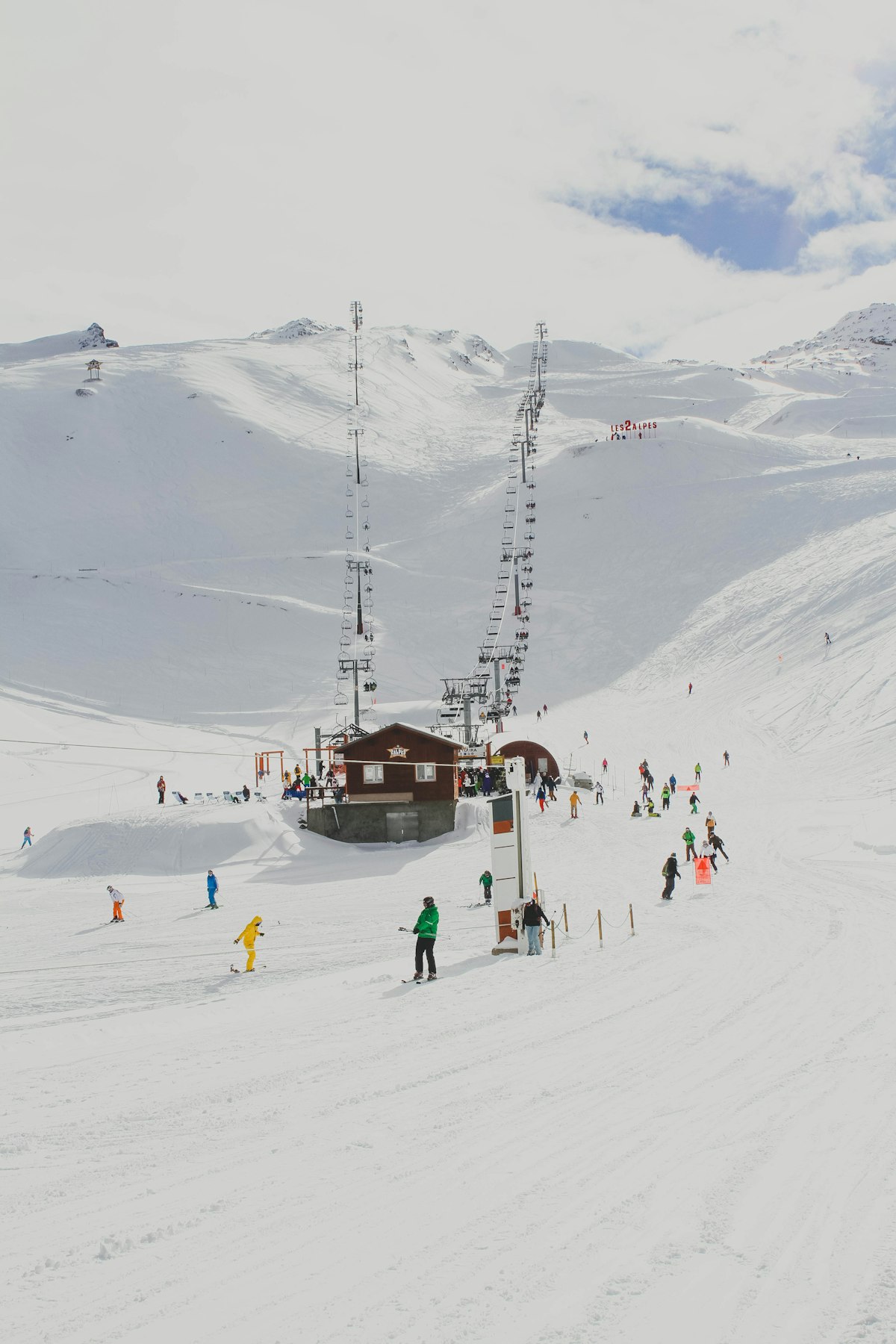
You have planned the trip. You have booked the flights, sorted the accommodation, and spent weeks researching the resorts. Then your teenager announces that they'll "probably just hang around" while you ski. If you are travelling to Patagonia with someone aged roughly 14 to 18, there are some things worth knowing before you go -- including the fact that Patagonia has a remarkably good track record of converting reluctant teenagers into people who ask when they can come back.
Why Patagonia Tends to Win Teenagers Over
Most teenagers who resist ski trips are not resisting skiing -- they are resisting the parts of ski holidays that feel controlled, scheduled, or forced on them. Patagonia, almost accidentally, sidesteps several of those problems.
The resorts are genuinely different from anything in Europe or North America. The scale of Cerro Catedral -- one of the largest ski areas in the Southern Hemisphere -- gives confident teenage skiers room to explore and disappear for chunks of the day. The food is good and inexpensive. The town of Bariloche is interesting independently of skiing: it is compact enough to walk, full of places to eat, and has a distinct character that does not feel like a manufactured resort village.
Perhaps most importantly, the trip itself has inherent novelty. Flying to Argentina, skiing in July, hearing Spanish on the chairlift -- these details matter to teenagers in ways that a familiar European ski town often does not.
Cerro Catedral for Teen Skiers
Cerro Catedral is the right resort for most families travelling with teenagers. It has enough advanced terrain to keep a strong teenage skier genuinely occupied -- there are serious off-piste zones accessible from the main lifts -- but also wide, well-groomed cruising runs for those who are still building confidence.
The resort's size means that a teenager can ski independently for a full morning, meet the family at a nominated lunch spot, and then go off again without anyone feeling crowded. That independence is worth planning for deliberately: agree on a meeting point at the base before you split up, and make sure everyone has a working local SIM or Wi-Fi calling option.
For teenagers who are solid intermediate skiers or above, one day of guided off-piste is often the moment the trip clicks. The terrain outside the piste markers is dramatic in a way that is hard to describe to someone who has only skied groomed runs. Our off-piste experiences can be tailored for teenage skiers travelling with a parent or small group.
When They Don't Want to Ski
Some teenagers will skip days on the mountain. That is fine, and fighting it tends to make things worse. Bariloche works well as a base for this reason: it is a real town with real things to do.
Options that tend to land well with teenagers who are off the mountain:
- The chocolate shops (Bariloche is legitimately the chocolate capital of South America -- it is not just a tourist claim)
- Kayaking or boat trips on Lago Nahuel Huapi during a rest day
- Cerro Campanario, a short cable-car ride with a view that gets a reaction from almost everyone
- The local brew pubs, which serve excellent craft beer for the adults and good food for everyone
We cover the non-skiing side of Bariloche in more detail if you are travelling with someone who needs options beyond the mountain.
How to Structure the Week
From experience, the families who have the best time in Patagonia with teenagers tend to build some deliberate flexibility into the schedule rather than booking every day wall to wall.
A week that tends to work well: three or four full ski days, one half-day on the mountain with the afternoon free in town, one non-skiing day doing something the teenager actually chose, and one flexible day left open based on how the week is going. The open day is the insurance policy -- if the skiing has been great and everyone wants more, use it on the mountain. If energy is low, use it to sleep in and explore the town.
The week-by-week breakdown of the Patagonian ski season is useful for choosing which part of winter to visit. Late July and early August are typically the best snow conditions and are worth targeting if school schedules allow.
What Teenagers Actually Remember
From the trips we have run with families, the details teenagers tend to talk about afterwards are rarely the ones parents planned most carefully. It is usually something specific: a run through deep powder on an unpatrolled slope, a particular meal, a view from a chairlift that stopped them mid-sentence, a conversation in broken Spanish with someone at a mountain hut.
Patagonia tends to produce those moments more reliably than more familiar destinations, simply because the setting is genuinely unusual. The combination of dramatic Andean terrain, Spanish-speaking mountain culture, and skiing in the Southern Hemisphere winter creates enough genuine novelty that even reluctant travellers usually find something that hooks them.
If you are planning a trip and want help thinking through what would work best for your specific group -- ages, ski levels, tolerance for flexibility -- get in touch via our planning form. We have run enough of these trips to have a good sense of what tends to stick and what usually does not.