Learning to Ski as an Adult in Argentina: What It Is Actually Like at Catedral
You do not need to have skied as a child. Cerro Catedral has one of the best adult ski schools in South America, and the conditions make learning easier than most places in Europe.
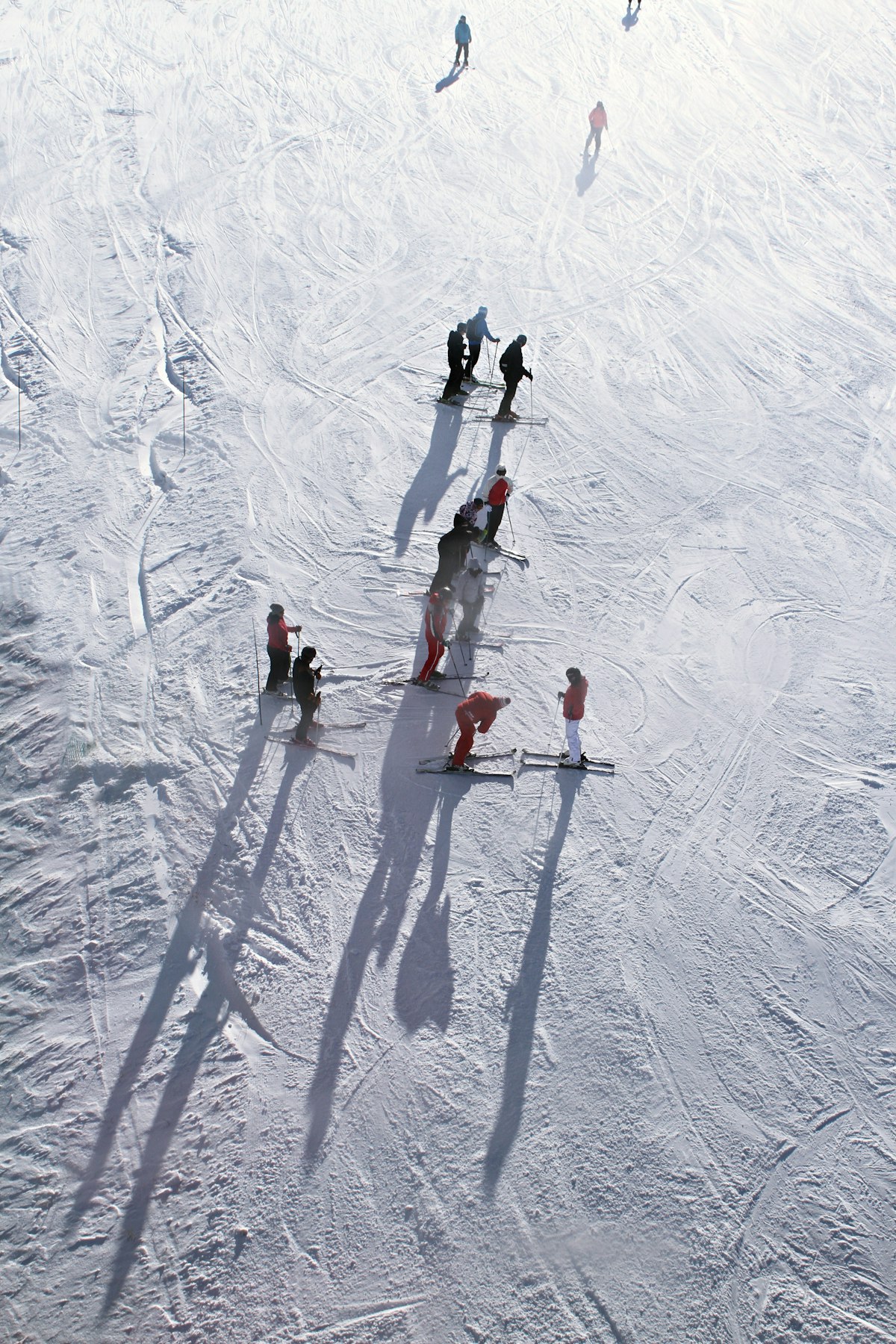
Most people who learn to ski do it as children. The exceptions -- adults who arrive at a resort with zero experience and decide, at thirty or forty or fifty, that this is the week they are going to work it out -- have a harder time finding honest information. What is it actually like? How bad is day one? Is it worth it?
We have guided adult beginners at Cerro Catedral for years. Here is what we know.
Why Catedral works for adult learners
The snow here is different from what most beginners encounter in Europe or North America. Patagonian snow is typically drier and lighter -- it falls at altitude in cold, low-humidity conditions. This means falls hurt less. The surface is more forgiving. You can make a mistake and correct it without the punishing ice that makes European nursery slopes genuinely difficult for nervous first-timers.
The Catedral ski school is well organised by South American standards, and the beginner infrastructure has improved significantly over the last five years. The *Platea* and *Puntilla* areas at the base of the mountain are dedicated beginner zones -- flat, wide, away from faster traffic. You will not be sharing space with teenagers doing parallel turns at speed.
Altitude is a mild factor to be aware of. Bariloche sits at around 800 metres. The mountain tops out at just over 2,000. Neither is high enough to cause serious altitude problems, but you may notice that effort feels slightly harder than usual on day one. Pace yourself in the first lesson and drink more water than you think you need.
What day one looks like
Morning: gear pickup at one of the rental shops in town or at the base. Allow ninety minutes for this, more if it is a weekend. Ski boots are the thing people underestimate -- they should be firm, not painful. If a boot hurts standing still, tell the shop and ask for a different fit. A correctly fitted boot is the single most important equipment decision you will make.
The first lesson typically runs two to three hours. The Catedral school groups by age and ability, so you will be with other adults at the same level, not with children. The morning covers the basics: how to walk in skis, how to stop (the wedge/snowplough), how to control speed on a gentle slope. It is not elegant. It is not meant to be. The goal is to be functional by the end of the day.
Afternoon: most adult beginners are ready for the Puntilla drag lift after lunch. This is a short, slow lift that brings you to the top of a very gentle run. The first time down takes about ten minutes. By the fourth or fifth run it takes three. This is what progress feels like.
Day two and beyond
By day two, most adult beginners are on the beginner lifts without a guide. By day three or four, the better-progressing students are attempting the lower green runs on the main mountain. By the end of a week, a motivated adult with reasonable coordination will be skiing easy blues independently.
This is not universal. Some people progress faster. Some slower. The adults who progress fastest are usually those who accept that looking awkward for two days is the cost of not looking awkward for the rest of their life on skis. The adults who struggle are those who tense up and try to control the skis rather than letting them do the work.
If someone in your group is not progressing comfortably, a private lesson is worth the cost. Private instruction at Catedral runs around USD 80-120 per hour depending on the instructor and the season. Two hours of private instruction can unlock what five hours of group lessons cannot.
Honest things no one tells you
Your feet will hurt. Ski boots are not comfortable for the first few days regardless of fit. This improves as the boot packs out and your feet adapt. If the pain is intense, check the buckle tension and ask the rental shop to look at the fit again. It should not be agonising.
You will be tired in ways that feel strange. Skiing uses muscles that normal daily life does not. Your inner thighs, your lower back, the muscles around your knees -- these will all speak to you on day two. This is normal. It passes by day four.
The embarrassment is brief. Every experienced skier you see started exactly where you are. The culture on this mountain is notably non-judgmental about beginners, partly because a significant portion of the Argentine guests are also learning or returning after long gaps.
Making the most of a learning week
Book lessons for at least the first three days. After that, assess whether you want to continue with instruction or practise independently. Most adult beginners benefit from at least one private lesson during the week in addition to group sessions.
Do not ski until you are exhausted. Tired skiers make mistakes and the mistakes compound. Stop at two in the afternoon if your legs are going, eat a proper lunch, rest. The mountain will be the same tomorrow.
Our guides have worked with adult beginners at Catedral many times and know which runs suit which ability level at each stage of the week. If you want a structured progression rather than guesswork, tell us you are a beginner when you plan your trip and we will design the week around that. We also run custom experiences that can be built around a mixed group where some people are learning and others are not.
For context on conditions through the season and which weeks are best for beginners, the week-by-week season breakdown has the timing detail. And if you want to understand the gear question before you arrive, the ski rental guide covers what to hire, what to bring, and what you can safely leave at home.