Dog Sledding and Winter Activities Near Bariloche for Non-Skiers
Bariloche in winter is far more than a ski town -- from dog sledding at Cerro Otto to snowshoeing in Nahuel Huapi National Park, here is everything worth doing off the slopes.
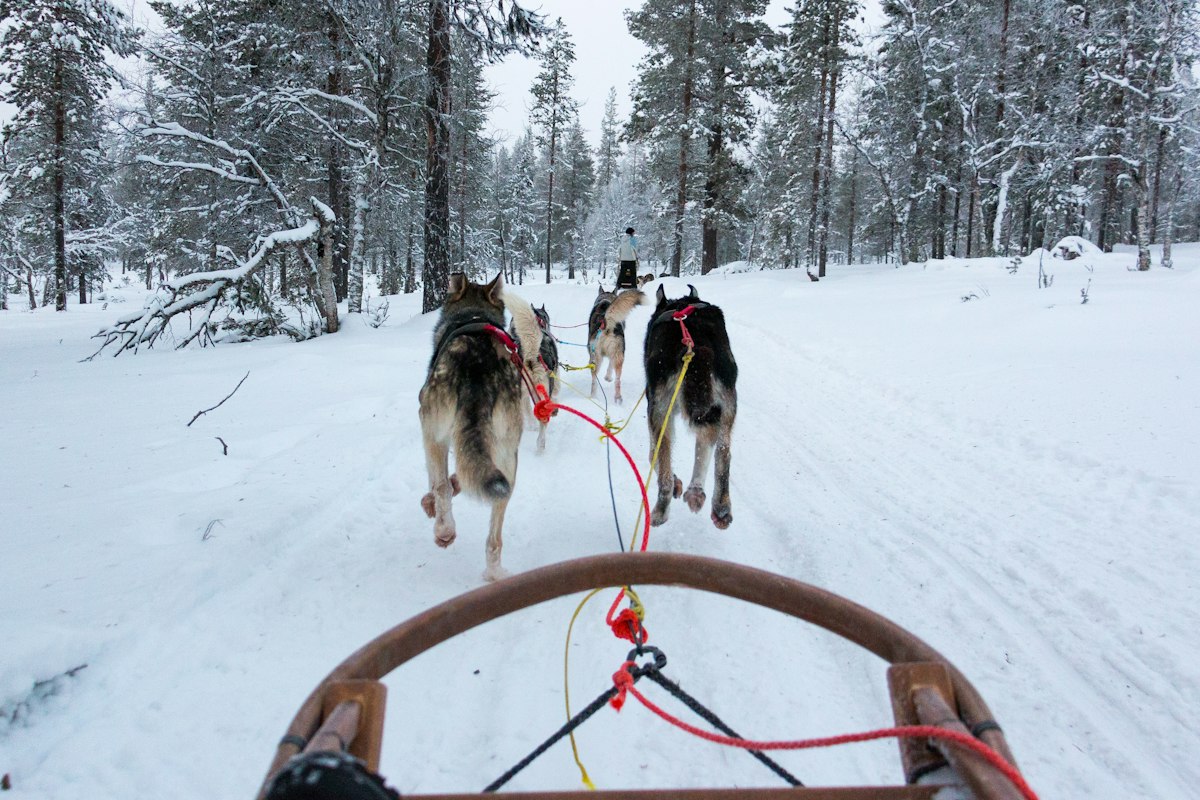
Bariloche in winter is one of Argentina's most versatile outdoor destinations, and the non-ski options are genuinely excellent rather than afterthoughts. Dog sledding, snowshoeing through Nahuel Huapi National Park, ice skating at the indoor rink in the centro, horse riding in the snow, and day trips into Chilean lake country are all within 45 minutes of the city. This guide covers the activities that our guests -- skiers and non-skiers alike -- consistently rate as highlights of their week.
Where can you go dog sledding near Bariloche?
Dog sledding in the Bariloche region is operated from Cerro Otto (1,405 m), the closest peak to the city, accessible by cable car or a 7 km road from the centre. The main operator running sled tours there is a long-standing family outfit that uses Siberian Huskies and Alaskan Malamutes in teams of 6-8 dogs. A standard sled tour covers 3-5 km of prepared track through native lenga beech forest and costs approximately $80-$120 USD per person for a 45-minute experience.
What to know before booking:
- Minimum age is typically 6 years old (children under 12 ride with an adult)
- Tours run weather-dependent -- Cerro Otto can fog out when Catedral is clear; check conditions morning of
- Advance booking is essential in July and August; the operator runs 6-8 tours per day and they sell out by Thursday for the following weekend
- Dogs are handled professionally and the welfare standards we have observed are high -- the animals are visibly well-fed and engaged
- The cable car to Cerro Otto from Bariloche costs $15 USD return and gives panoramic views over Lago Nahuel Huapi regardless of whether you sled
What is snowshoeing like in Nahuel Huapi National Park?
Nahuel Huapi National Park surrounds Bariloche on three sides and contains over 700,000 hectares of Andean-Patagonian forest, lakes, and peaks. In winter, the park's lower trails -- below 1,200 m -- are snowpacked and ideal for snowshoeing. The top routes for winter access:
1. Cerro Campanario (1,049 m) -- The classic viewpoint above Lago Perito Moreno. The winter trail takes 1.5-2 hours return on snowshoes and the 360-degree summit view is genuinely one of the best in Patagonia. The cafe at the chairlift base runs a hot chocolate and medialunas service.
2. Circuito Chico -- A 35 km circuit through beech and cypress forest between Punto Panoramico and Puerto Panuelo. In winter this is done in sections of 4-8 km. The trail is well-marked and does not require a guide, though the NPS ranger station at the Villa Catedral turnoff rents snowshoes for $15 USD per day.
3. Refugio Lopez (2,076 m) -- A more demanding 4-hour ascent to a mountain hut with winter opening on weekends. The views above treeline are extraordinary; the route requires basic snowshoeing competence and is best done with a guide in heavy snow conditions.
What else is there to do in winter without skiing?
Bariloche's winter activity calendar is broad:
Ice skating -- The Patinodrome (covered indoor rink) in the Bariloche city centre runs public skating sessions Tuesday-Sunday from June through September. Skate rental costs $5-8 USD. It attracts a mix of locals and visitors and is particularly lively on weekend evenings.
Horse riding in snow -- Several estancias (cattle farms) within 20 km of Bariloche offer winter trail rides through snow-covered forest. Estancia Peuma Hue and Estancia Nahuel Huapi both have highly-rated programs that combine riding with traditional asado lunch. Prices run $120-$200 USD for a half-day with lunch included.
Micro-brewery circuit -- Bariloche has produced craft beer since the 1990s and now has 15+ operating cervecarias in the city and immediate surroundings. The Brewing Beer Festival (Festival de la Cerveza Artesanal) runs in June each year, but the tasting rooms at Cerveceria Patagonica, Antares, and Manush operate year-round with heated interiors designed for long winter afternoons.
Chocolate tasting -- Bariloche's Swiss-German immigrant heritage produced a chocolate-making tradition that now counts over 50 dedicated chocolaterias in the city. Rapa Nui (founded 1956) remains the most celebrated; Del Turista on the main pedestrian street (Mitre) has the widest production-scale range. Tours of working chocolate factories are available in July and August for $20-$30 USD.
Day trip to Villa La Angostura -- 81 km north along Ruta 40, this small lakeside village has a very different character from Bariloche -- quieter, more artisanal, less touristic. The winter produce market on the main street runs Saturdays year-round. Cerro Bayo ski resort (120 ha) is 9 km from the village if your companions want a ski day while you explore the town.
How do I get around between activities without a car?
Bariloche has reliable public bus service covering the main tourist circuits, and the 3 de Mayo company (the same operator that runs buses to Cerro Catedral) also serves Cerro Otto and the Circuito Chico trailheads. Day passes for unlimited bus travel cost around $3 USD and are available from the terminal and some accommodation.
For Cerro Campanario and the further circuits, the standard tourist bus (Bus Patagonico) runs guided full-day circuits from the bus terminal for $30-$45 USD including guide narration -- a reasonable option if you don't want to figure out individual bus routes. InDriver is the reliable rideshare-alternative in Bariloche if you want flexibility without renting a car.
Frequently Asked Questions
Can non-skiers stay at the ski resort base (Villa Catedral) rather than in Bariloche?
Yes, and it can be a great choice if your companions are skiing full days. Villa Catedral has small hotels, restaurants, and rental shops at the base, and the bus back to Bariloche runs regularly if you want a day in town. The base area gets very quiet after the lifts close (~17:30), which some guests love and others find isolating -- it depends on your temperament.
Is dog sledding suitable for young children?
Dog sledding at Cerro Otto is suitable for children from about age 6 upward, and the operators are experienced with families. The sleds seat two people comfortably (adult + child), and children under 12 generally ride with a parent. The dogs are large and energetic before departure -- some young children find this exciting, others find it overwhelming before they settle into the run itself.
How much snow is typically on the ground in Bariloche city in July?
Bariloche city (770 m) typically sees light snowfall rather than accumulating base -- 10-20 cm at most in a good snow year. The Andes snowpack is at higher elevations (1,500 m+). City streets are cleared quickly. This means the winter aesthetic (snow-capped mountains, Andean backdrop) is always there from the city, but snowshoeing and sledding require driving uphill to where the snow is deeper.
*Written by the Ski Patagonia Co. team, based on years of guiding guests -- skiers and non-skiers -- through Patagonian winters.*
Planning a mixed trip with both skiers and non-skiers in your group? We specialise in building itineraries that keep everyone happy. Visit Plan My Trip to tell us about your group, or read our full guide to Bariloche for non-skiers for a deeper dive into the city's winter character.