Cross-Country Skiing in Patagonia: A Quieter Way Into the Andes
Cross-country skiing in Patagonia offers groomed forest trails, lake views, and total quiet. Here's where to go and what to expect.
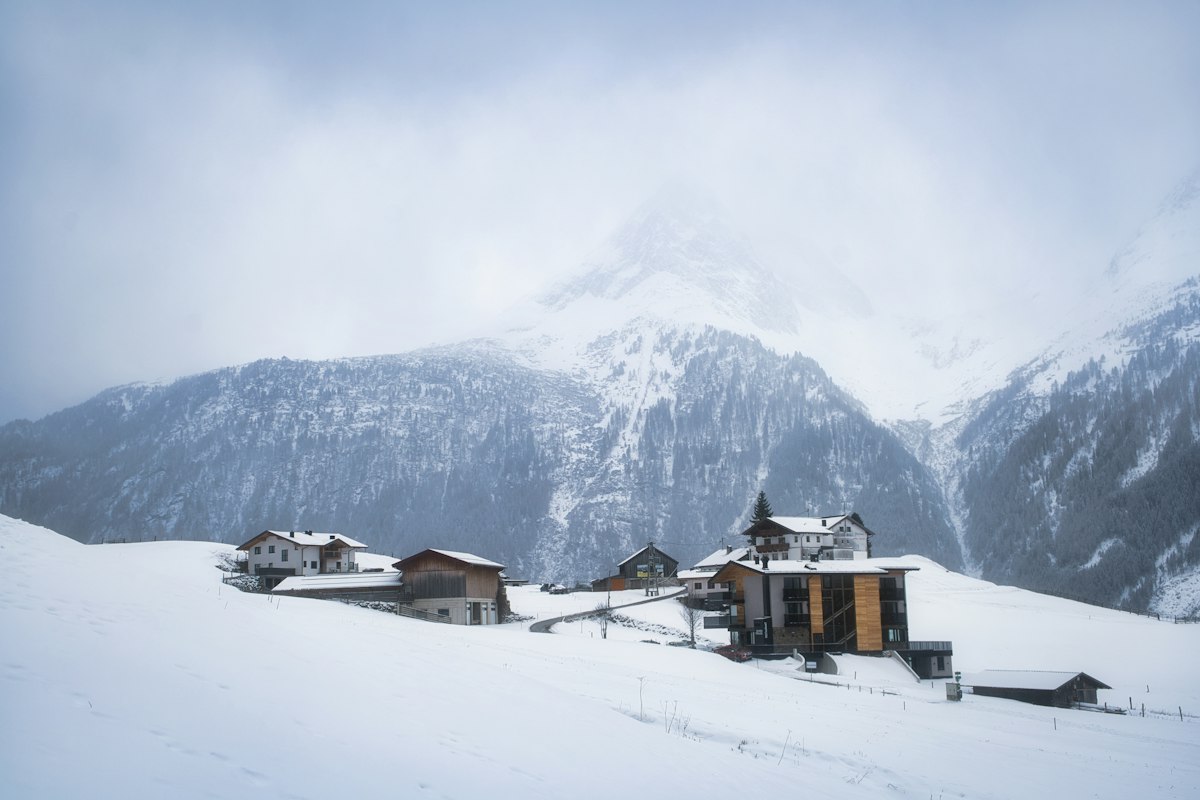
Most people coming to Patagonia have downhill on their minds — Cerro Catedral, Las Leñas, helicopter drops in remote ranges. Cross-country skiing tends to get overlooked. That's a shame, because the Andean foothills around Bariloche and Esquel offer some of the most underrated Nordic terrain in South America: groomed trails through old-growth lenga forests, frozen lake crossings, and silence so complete you can hear snow dropping from branches.
If you've never tried cross-country, Patagonia is a forgiving place to start. The terrain is gentle. The instructors are patient. And unlike at North American Nordic centers, you'll often have entire trail networks to yourself.
Where to Cross-Country Ski in Patagonia
Centro de Esquí Cerro Otto (Bariloche) has the most accessible Nordic operation in Argentina. About 25km of groomed classic and skate trails wind through the lower flanks of Cerro Otto, with the city of Bariloche and Lago Nahuel Huapi visible from many vantage points. Day passes run around USD 15. Rentals — boots, skis, poles — are another USD 25. You'll find a small lodge with hot chocolate and an instructor available for a one-hour intro lesson if you've never strapped in.
Centro de Ski de Fondo Las Pendientes (Bariloche) is the more serious operation. Located inside the Llao Llao National Park, it has 20km of trails ranging from beginner loops to a challenging 8km route that climbs through the forest to a viewpoint over the lake district. This is where local racers train. The grooming is excellent and the setting is genuinely spectacular.
La Hoya (Esquel) has a small Nordic area at the base of the alpine resort — about 6km of trails. Worth combining with a downhill day if you're already in town. See our La Hoya guide for more on the area.
What Makes Patagonian Nordic Skiing Different
The forests. North American and European Nordic centers usually wind through pine plantations or open meadows. Patagonia's trails cut through native lenga and ñire — slow-growing southern beech that turns deep red in autumn and holds snow on every branch in winter. The light filtering through is unlike anywhere else.
The quiet. There's no lift hum, no chatter from chairlifts, no avalanche bombs going off in the distance. Just the rhythmic kick-and-glide of your own skis and the occasional bird call.
The weather. Patagonian winters are wet and snowy at the lower elevations where Nordic skiing happens — typically 600-1,200m. Snow conditions stay consistent from late June through early September. The wind that punishes alpine skiers higher up is mostly blocked by the forest canopy down here.
Skill Level and What to Expect
Classic technique (the parallel-tracks style) is the easiest to learn. Most people are gliding within an hour. Skate skiing requires more fitness and coordination, but the groomed trails at Otto and Las Pendientes accommodate both styles.
A full day of cross-country covers 15-25km depending on fitness. Even a slow pace burns a serious number of calories — plan for a big lunch.
If you've done ski touring, the kick-and-glide motion will feel familiar. If you haven't, it's a great gateway into ski touring's flatter cousin.
What to Wear
Layer light. Cross-country generates body heat fast — overdressing is the most common rookie mistake. A merino base, a thin softshell, and a wind-blocking vest is enough for most days. Bring a packable insulated jacket for breaks.
Sunglasses, not goggles. You're in the trees with sun filtering through, not on an open mountain face. A peaked cap helps in the morning glare.
Gloves should be thinner than alpine gloves. You need finger dexterity for poling.
How to Build It Into a Trip
We often slot a half-day of cross-country skiing into longer ski trips as an active rest day between alpine sessions — easier on the legs than a full day at Catedral, but you're still moving in the mountains. It pairs particularly well with family ski trips when one or two members of the group want a break from the chairlift crowds.
For groups looking for a dedicated multi-day Nordic experience, we can build itineraries that include trail-skiing days, an overnight in a refugio reachable only on skis, and a final day at a downhill resort. See our custom experiences page or just tell us what you're after.
Already planning a Bariloche trip? Our week-by-week season guide shows when the Nordic centers open and when conditions peak.
The Honest Take
Cross-country isn't for everyone. If you're flying 12 hours to Patagonia for adrenaline, this isn't your trip. But if you want a slower, quieter day in the mountains — one where you'll actually notice the forest, hear the lake ice creaking, and finish with a satisfied tiredness rather than burned-out quads — Nordic skiing is one of the best things you can do in the Andes.
Ready to add a Nordic day to your trip? Plan your custom Patagonia ski itinerary and we'll work it in.