A Ski Weekend for Two in Bariloche: What We Did, What Surprised Us
Bariloche is not marketed as a romantic destination, but it probably should be. Here is what a long ski weekend for two actually looks like -- on the mountain and off it.
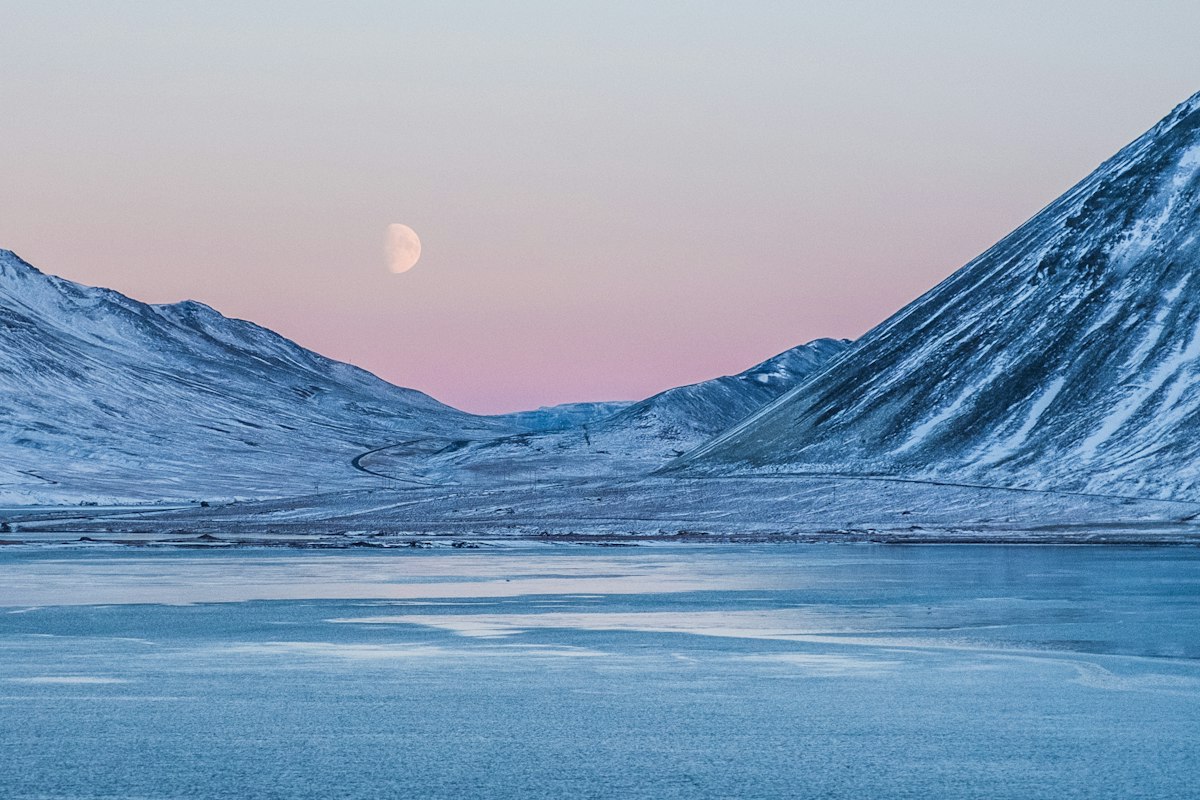
Nobody told us Bariloche would feel romantic. We came for the skiing. We left having eaten the best fondue of our lives in a wooden cabin above a frozen lake, watched the sun drop behind the Andes from a gondola we almost missed, and skied more vertical in four days than either of us had managed in a full week anywhere in Europe. That was not the plan. It just turned out that way.
This is what a ski weekend for two in Bariloche actually looks like -- the mountain, the town, the food, and a few things we wished someone had told us before we arrived.
The mountain is better than you expect
Cerro Catedral is the largest ski resort in the Southern Hemisphere, which is a fact that still does not fully register until you are standing at the top of the first chairlift looking at forty kilometres of skiable terrain stretching across a jagged granite ridgeline. The views from the upper stations are genuinely extraordinary -- Lake Nahuel Huapi visible below, the Chilean peaks on the horizon, the resort spread out beneath you in a way that makes it feel much bigger than any mountain either of us had skied before.
For a couple with mixed abilities -- one confident intermediate, one occasional expert -- Catedral works well. The blue runs off the Punta Nevada gondola are long, groomed, and not crowded until midday. The black terrain off Lynch and the upper mountain is proper steep skiing, not groomed-over mogul fields dressed up as expert terrain. There is enough variety that you can split for a run or two and meet for lunch without either person feeling shortchanged.
The lifts open around 9am. The first hour on the mountain, before the Bariloche town buses arrive, is quiet in a way that feels like a gift. We made a habit of being first in line.
The gondola moment
The Teleferico Lynch is the big gondola that takes you from the resort base to the upper mountain in about eight minutes. It is operationally unremarkable -- a standard high-capacity lift. But on our third afternoon, we caught it at around 4:15, just before it stopped running for the day, and rode it up into a sky that had turned an improbable shade of orange and pink as the sun moved toward the Andes.
The gondola was almost empty. The mountain was quiet. The lake below had gone from blue to gold. We stood in the gondola for eight minutes and said very little. It was one of those moments that does not require annotation.
If you are going to be at the resort in late afternoon, take the gondola up once before skiing down for the day. Time it for the hour before closing.
Eating in Bariloche
Bariloche has more good restaurants per capita than anywhere we have eaten in South America. The Swiss and German immigration history of the Lake District shows in the architecture and, more practically, in the food -- fondue restaurants, excellent bread, local cheese, smoked trout from the lake, and a chocolate culture that begins to feel overwhelming by day two.
For dinner, the spots up in the hills above town tend to be better than the waterfront tourist strip. Cassis in the Arelauquen area makes a venison stew that has no business being as good as it is. El Patacon on the lakefront is reliable for wood-grilled lamb if you want something classic and large. The fondue restaurants on the hillside roads above Calle Quaglia are worth the taxi for the atmosphere alone -- dark wood, candles, wine from Mendoza, snow visible through the windows.
We ate lunch on the mountain every day. The restaurant at Punta Nevada is better than it should be for a ski resort canteen -- proper milanesas, good salads, local craft beer. Budget around 4,000 pesos per person and do not skip the medialunas at the coffee counter.
What makes it feel romantic, specifically
We tried to work this out on the last day. It is not the architecture, which is lovely but not extraordinary. It is not the restaurant quality alone, though that helps. It is something about the combination of scale and intimacy -- the mountains are enormous and the lake is enormous and the town is small enough that you walk everywhere and keep running into the same people.
There is also the light. The Patagonian light in July is low and golden for most of the day -- the sun sits at a winter angle that makes everything look like it is being filmed. Skiing into that light on an afternoon run, with the lake below and the Andes behind, produces an effect that is hard to photograph and hard to forget.
The lack of crowds helps. Bariloche receives far fewer international visitors than comparable European resorts. You do not queue for twenty minutes at a lift or fight for a table at lunch. The mountain feels, for most of the day, as though it exists primarily for you.
Practical notes for a couples trip
Four nights is the right length for a ski-focused long weekend. Enough to feel settled in the resort, enough days on the mountain to improve and explore, not so long that you run out of new terrain or new restaurants.
Stay in town rather than at the resort base if you want access to the restaurants and the waterfront. A taxi to the gondola base takes twelve minutes and costs next to nothing. The Llao Llao area is beautiful but adds distance and expense without much benefit unless the hotel itself is the point.
Book ski rental before you arrive if you are not bringing your own equipment. The good rental shops near the resort base are worth the ten-minute walk from the main gondola; their equipment is notably better than the budget shops in town. Our full guide to ski rental in Argentina covers what to expect and what to spend.
For help planning the whole trip -- including timing, accommodation, and what to do on a rest day -- tell us what you are planning. We know the resort and the town well enough to make the arrangements easier than doing it alone.