What a Bad Snow Year Looks Like in Patagonia -- and How We Ski Through It
Six seasons of thin cover taught us that a bad snow year in Patagonia is never as bad as it sounds -- if you know where to ski.
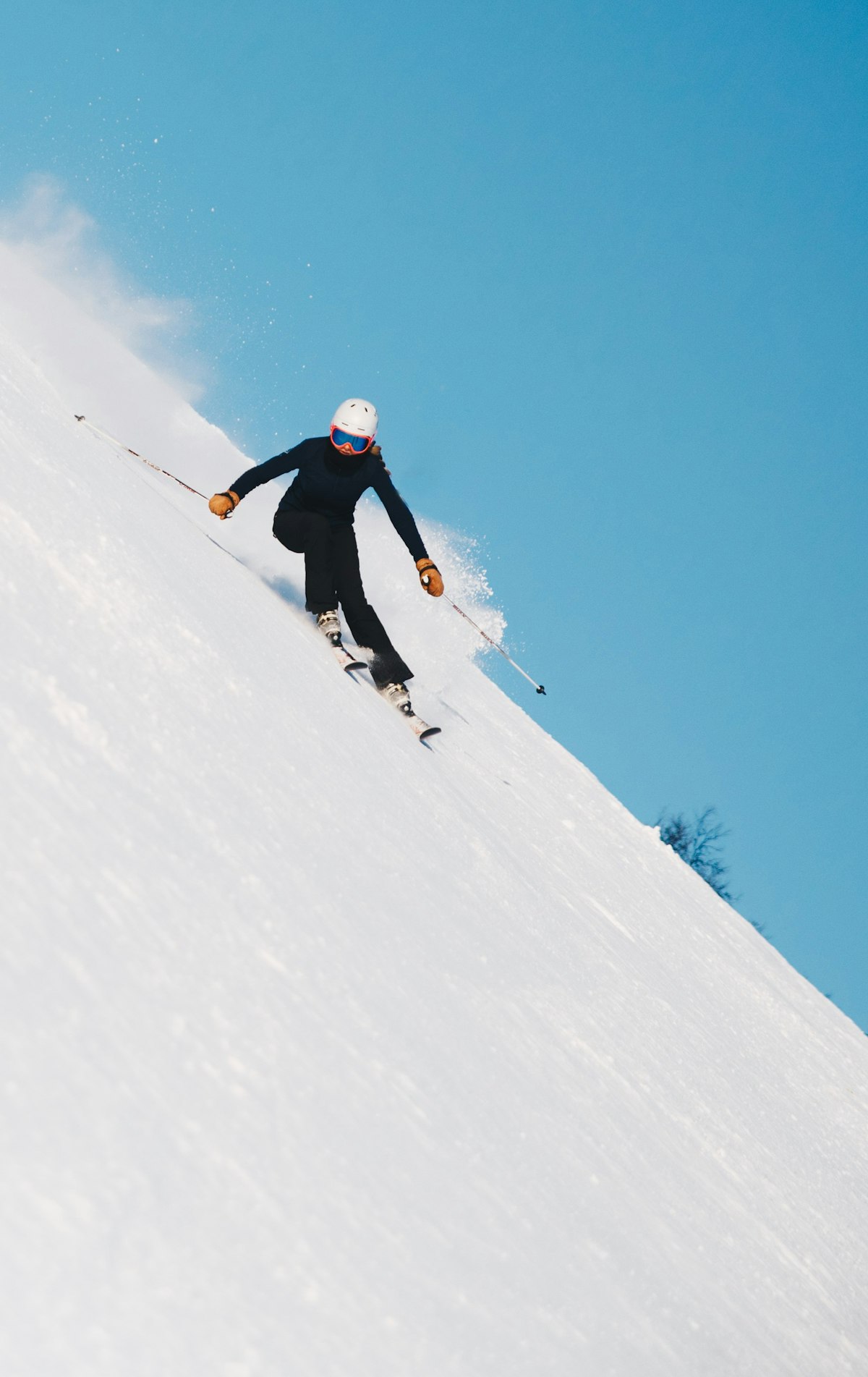
A bad snow year in Patagonia means base depths below 80 cm at Cerro Catedral, repeated wind closures, and upper sectors staying shut for days at a time. We have guided through six low-snow winters since 2015, and the mountain always delivers something -- you just need to know where to look. The difference between a ruined trip and a memorable one in a thin year comes down to terrain selection, reading the forecast, and adjusting your expectations on the right days.
What does a "bad" snow year in Patagonia actually mean?
A low-snow year at Cerro Catedral typically means a base depth below 80 cm at mid-mountain and less than 120 cm at the summit, compared to 150--200 cm in a strong year. In practice this means rocky patches on lower runs, closure of the La Laguna and Punta Nevada sectors, and narrower groomed corridors on the main face. The 2016 season saw Catedral open with just 55 cm of base at Villa Catedral -- one of the thinnest starts on record -- yet 85% of lifts ran by early August. Patagonian snow, even when scarce, tends to be cold and dry, which means it skis better than the depth numbers suggest.
Which parts of Cerro Catedral stay skiable in thin conditions?
The east-facing runs off the Punta Princesa and Nido del Condor lifts hold snow best in dry years, as they catch prevailing westerly wind deposits and see less afternoon sun. The groomed runs below Villa Catedral -- specifically the Colgada and Catedral runs -- stay open almost every season regardless of base depth, because the snowmaking operation at the base supplements natural snow down to 1,030 m. La Laguna sector, which opens only when base exceeds 90 cm, is typically the last to open and the first to close in a thin year. In 2021, our guides ran 27 consecutive days on Nido del Condor and the lower groomed pistes when everything above 1,800 m was wind-scoured and closed.
How do our guides adjust the plan on low-snow days?
On thin days we front-load morning runs -- the first two hours after the 9:00 AM lift open are when groomed corduroy is intact and rocks are covered by overnight refreeze. By 11:00 AM the sun softens the thin spots and rocks start to show. We shift to north-facing terrain by noon, which stays firm longer. We also rotate guests off the mountain earlier than usual -- 1:30 PM instead of 3:30 PM -- and fill the afternoon with a 90-minute wine tasting at one of the Bariloche bodegas, a chocolate tour on Mitre Street, or a lake crossing to Isla Victoria. Skiing 4 hours of quality is better than 7 hours of scraping rocks.
What to do when a wind closure shuts the mountain?
Wind closures at Cerro Catedral typically last 4--8 hours and rarely extend beyond 24 hours. When Catedral closes, we move to Cerro Otto (10 minutes from Bariloche, 350 m of vertical, no lift tickets required beyond the gondola), which is lower elevation and less exposed to the Patagonian westerlies. Alternatively, a 40-minute drive south reaches Cerro Lopez, a touring area where crampons and skins access terrain the lifts do not touch. We have also used wind days for lake kayaking on Lago Nahuel Huapi, a visit to the Coleccion Patagonia wine bar, or a guided Mapuche cultural tour of the Arrayanes forest on Peninsula Quetrihue. Wind days are not wasted days -- they are Patagonia days.
Is it worth traveling to Patagonia in a low-snow year?
Yes -- with caveats. If your trip depends on skiing deep powder off-piste terrain, a low-snow year is frustrating. But for most international visitors -- those here for the experience of South American skiing, the landscape, and the Bariloche culture -- a thin year still delivers an excellent trip. Cerro Catedral''s terrain, even in poor conditions, is technically more interesting than most North American blue-black terrain in a good year. The resort''s 120+ marked runs on 1,200 hectares means there is always somewhere to ski. We have seen guests arrive with low expectations after a bad-snow warning and leave saying it was the best ski trip of their lives.
What the 2016 and 2021 seasons taught us
The 2016 season opened with a 55 cm base on July 10 -- three weeks later than normal. By August 5, the base had built to 130 cm after a cold storm cycle, and the upper mountain opened fully. Guests who arrived in the first two weeks found limited terrain; guests who arrived in the last three weeks of August had one of the best late seasons in a decade. The 2021 season never fully recovered -- base depths peaked at 95 cm and off-piste skiing was largely unavailable -- but on-piste conditions were excellent and La Laguna opened for 11 days in September. The lesson: low-snow years are unpredictable. A storm cycle can transform a thin season in 72 hours. We always tell our guests: come, ski what is open, and stay flexible.
Frequently Asked Questions
How do I know if it is a bad snow year before I book?
The Cerro Catedral snow report at catedralaltapatagonia.com is updated daily from June through October. We recommend checking base depth at mid-mountain -- below 100 cm is a caution flag for off-piste skiing, but on-piste conditions are typically fine above 80 cm. Our team also sends a pre-trip briefing 10 days before arrival with a frank assessment of conditions.
Can I get a refund or change my dates if snow is poor?
Most ski operators in Bariloche do not offer refunds for weather conditions -- this is standard policy. Travel insurance with ski coverage can cover trip modifications in some cases. See our full trip planning guide for operator-specific policies.
What percentage of runs typically stay open in a bad year?
In the six low-snow seasons since 2015, Cerro Catedral has averaged 65--70% of lifts operational by mid-August. A typical strong year sees 85--90% by the same date. The difference in skiable terrain is meaningful but rarely trip-ruining.
*This account comes from the Ski Patagonia Co. guide team, drawing on six consecutive seasons operating at Cerro Catedral through varying snow conditions.*
When you plan your trip with us, we build the itinerary around current conditions -- and we have always found a way to make it work.