Greetings, Cheek Kisses and Social Customs: What Skiers Should Know in Argentina
Learn Argentine social customs for skiers: the single cheek kiss, mate etiquette, late dinners and the Spanish words that make Patagonia ski trips smoother.
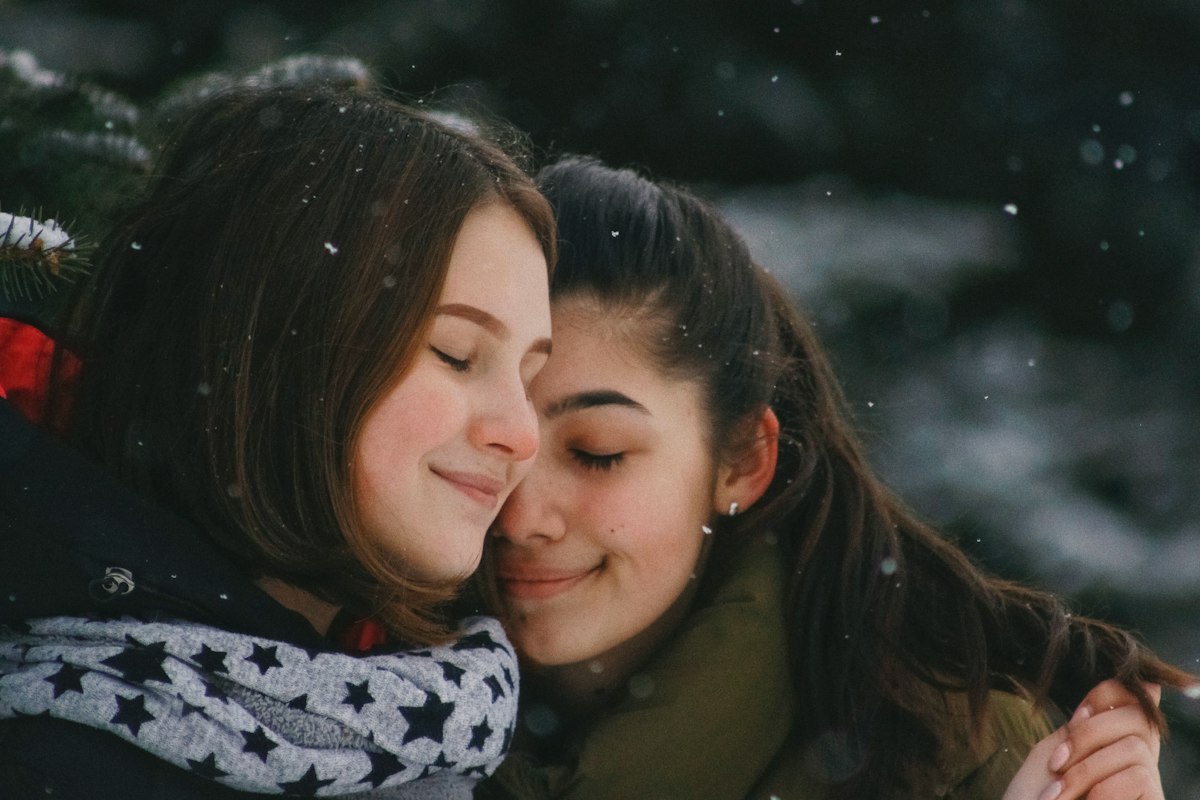
In Argentina, you greet people with a single kiss on the right cheek, you say "hola" or "buen dia" before asking for anything, and you give conversations more time than you would at home. Skiers who follow these three habits get warmer service in lodges, rental shops and restaurants from Bariloche to Ushuaia. Nobody expects perfect Spanish, but a small effort at the social rituals changes how locals treat you.
Quick Answer: Social customs for skiers in Argentina
- Greeting: one kiss on the right cheek between friends, or a handshake with strangers in a formal setting
- First words: "Hola" or "Buen dia" before any question, even at a lift ticket window
- Pace: a coffee or a dinner is a social event, not a transaction; expect 2-3 hours for dinner
- Mate: if a gourd is passed to you, drink it all, then hand it back with "gracias" only when you are finished
- Tone: warm, physical and talkative; interrupting is normal and not rude
How do Argentines greet each other, and should visitors do the same?
Argentines greet with one kiss on the right cheek, usually a light touch of cheeks with a kissing sound, between women, and between a man and a woman. Men often shake hands or hug with a back-pat, and close male friends may also kiss on the cheek. In a first business meeting or at a service counter, a handshake or a clear "buen dia" is enough.
Visitors do not have to copy this perfectly. Lean in slowly, turn your head to your left (their right), and let the other person lead. If you are unsure, offer a hand and smile. At our guest dinners in Bariloche we see first-time visitors freeze for a second and then relax once they realise nobody is grading them.
What words should I say before asking for anything?
Say "hola" or "buen dia" (good morning) before every request, and "buenas tardes" after about 1 pm. Jumping straight to "do you speak English?" feels abrupt in Argentina, and staff at rental shops, bakeries and lift ticket offices respond noticeably better to a greeting first.
A short starter set that works across Cerro Catedral, Cerro Chapelco and Cerro Bayo:
- "Hola, buen dia" - hello, good morning
- "Por favor" and "gracias" - please and thank you
- "Perdon" - excuse me, also used to squeeze past someone in a lift line
- "Hablas ingles?" - do you speak English (informal; "habla ingles" is the formal version)
- "La cuenta, por favor" - the check, please
For skiing words, see our guide to Argentine ski vocabulary.
How do Argentines address each other: "vos" and "che"?
Argentines use "vos" instead of "tu" for informal "you", and most people will use it with you straight away. The word "che" is a friendly attention-getter, roughly like "hey" or "mate" in English, and you will hear it constantly on lifts and in cafes. Using "vos" yourself is a pleasant surprise for locals, but "usted" is still safer with older people or officials.
A guest from Boston once told us the first week felt like being adopted by a very loud family. That is a fair description. Argentines tend to ask where you are from, what you do and how long you are staying within minutes of meeting you.
What is the etiquette around mate?
If someone offers you mate, the shared herbal drink sipped through a metal straw (the bombilla), accept it and drink the whole gourd before returning it. The person serving, called the cebador, refills the gourd for each person in turn. Saying "gracias" means you are finished and do not want another round, so wait until you mean it.
Do not stir the bombilla, and do not wipe it before passing it on. The ritual is more about sharing time than about the drink. You will see guides, lift operators and instructors pass a gourd at the base of Cerro Catedral early in the morning. For the morning-coffee side of local life, read about mate and medialunas.
Why does everything take longer, and how should I plan around it?
Social time in Argentina is slower than in North America or Northern Europe: dinner usually starts at 9:00 or 10:00 pm, and a sobremesa (staying at the table to talk after eating) can add another hour. Shops close for a midday break in many towns. Plan accordingly rather than fighting it.
Practical effects for a ski trip:
- Book restaurants for 9:00 pm or later, or ask for an early table and expect a quiet room
- Allow 20-30 minutes more than you think for any errand in town
- Do not schedule tight connections between a dinner and an early lift
- Use the long evening for conversation, and sleep in your lodge after the meal
We cover the timing in detail in our posts on dinner times in Bariloche and siesta and shop hours.
What small customs matter in shops, restaurants and on the mountain?
A few small habits go a long way. Greet staff when you walk in, wait to be seated in restaurants, and ask for the check, because it will not arrive until you do. Tipping is about 10% in restaurants and handled differently with guides; see tipping in Argentina's ski industry.
On the mountain, locals are relaxed about lift lines but still expect you to respect the skier ahead. Our slope etiquette guide covers the unwritten rules in more detail.
Frequently Asked Questions
Do I have to kiss people on the cheek in Argentina? No. A friendly handshake and a smile are fine, especially in service settings. If someone leans in, return a single kiss on their right cheek.
Will people speak English on the mountain? Ski school instructors and many hotel staff at Cerro Catedral speak English. Smaller shops and restaurants may not, so a few Spanish words help a lot.
Is it rude to refuse mate? Not if you decline politely with "no, gracias". If you do accept, drink the whole gourd and return it.
Is Argentina formal or casual? Casual and warm, but with good manners around greetings. Saying hello first matters more than your grammar.
This guide was written by the Ski Patagonia Co. team, based on many seasons of hosting international guests in Bariloche and years of working with local guides, drivers and lodge staff across Patagonia.
If you want a trip where we handle the logistics and introductions for you, plan your trip with us or read about our group experiences.
Hero photo by Yuri Levin on Unsplash